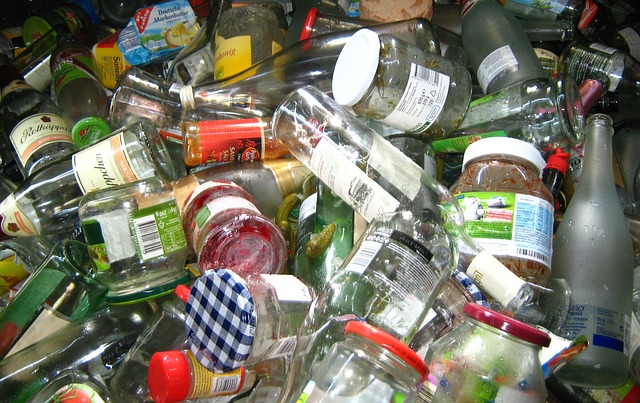
Recycling services are crucial drivers of sustainable futures, with investors recognizing their strategic value. Effective recycling collects, processes, and repurposes materials, reducing waste and conserving resources. Success requires navigating complex logistics, robust financial planning, and adaptability to technologies. Industry reports show growing demand for green investments in the circular economy.
Strategic investment involves evaluating borrowers based on operational scalability, financial stability, and environmental impact. Key considerations include understanding market dynamics, borrower requirements (waste sorting, collection efficiency), regulatory changes, technological advancements, and consumer preferences.
Investors should seek companies implementing successful recycling technologies across sectors, diversifying revenue streams. By focusing on these factors, investors can support both financial returns and environmental sustainability.
In today’s world, investors are increasingly aware of their environmental impact. Recycling service has emerged as a critical component of sustainable business practices, offering both financial and ecological benefits. However, navigating the complexities of recycling can be daunting for even the most seasoned investors. This article delves into the intricacies of effective recycling service, providing expert insights to help investors make informed decisions that drive positive change while enhancing their portfolios. By exploring best practices, potential challenges, and innovative solutions, we empower investors to become catalysts for a greener future.
Understanding the Recycling Service Industry
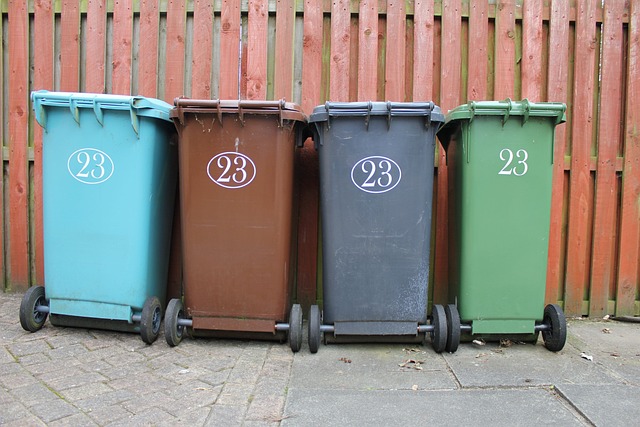
The recycling service industry plays a pivotal role in shaping sustainable future landscapes, with investors increasingly recognizing its strategic importance. Understanding this sector involves delving into complex dynamics where environmental stewardship meets economic viability. At its core, effective recycling services facilitate the collection, processing, and repurposing of materials that would otherwise end up in landfills, reducing waste and conserving natural resources.
Experts emphasize that successful recycling service providers go beyond mere compliance with environmental regulations. They navigate intricate logistical challenges to ensure efficient material flow, from residential and commercial sources to specialized facilities for sorting, refining, and manufacturing new products. This involves a sophisticated understanding of market demands for recycled materials, enabling investors to identify lucrative opportunities in sectors such as construction, packaging, and automotive industries that increasingly favor sustainable inputs.
Investing in recycling services comes with specific borrower requirements that demand careful consideration. These include robust financial planning to cover initial setup costs, operational expenses, and potential fluctuations in material prices and market demand. Moreover, a strong track record of environmental performance and compliance with regulatory standards is crucial for securing funding. Investors should also assess the provider’s ability to adapt to evolving technologies and consumer preferences, ensuring their capital contributes to cutting-edge recycling solutions that drive positive environmental change. Data from industry reports indicate a growing appetite for green investments, underscoring the potential for significant returns while contributing to global sustainability goals.
Investing Strategies in a Circular Economy

Investing in a circular economy requires a strategic approach that understands the intricate relationship between sustainable practices and financial returns. One crucial component of this strategy involves integrating recycling services into investment portfolios, offering both environmental benefits and potentially lucrative opportunities. Recycling service borrowers, like any other investors, seek projects with strong fundamentals and growth potential, but they also prioritize those aligned with ecological sustainability.
When considering investing in recycling services, it’s essential to assess the borrower’s commitment to eco-friendly practices and their ability to adapt to evolving regulatory landscapes. For instance, a company specializing in plastic waste recycling should demonstrate efficient collection systems, state-of-the-art processing facilities, and innovative end-product development. Moreover, understanding the local market dynamics and government policies is vital; favorable legislation can significantly impact the success of recycling initiatives. Historical data shows that regions with robust recycling programs often experience reduced material costs for manufacturers, creating a positive feedback loop that benefits both the environment and local businesses.
A strategic approach to investing in recycling services involves evaluating borrowers based on their operational scalability, financial stability, and environmental impact. Investors should seek companies that can demonstrate successful implementation of recycling technologies and business models across various sectors. For example, a recycling service provider that partners with multiple industries, from manufacturing to hospitality, diversifies its revenue streams and strengthens its market position. By adopting a comprehensive view of recycling service borrowers’ requirements—including their operational needs, financial capabilities, and environmental objectives—investors can identify promising opportunities within the circular economy.
Evaluating and Optimizing Recycling Service Businesses

Evaluating and optimizing recycling service businesses is a nuanced task requiring a deep understanding of market dynamics, environmental factors, and financial metrics. Investors must assess not only the operational efficiency of these enterprises but also their alignment with broader sustainability goals. A key aspect to consider is the recycling service borrower requirements. These include strict criteria related to waste sorting, collection efficiency, and material quality, which directly impact the viability and scalability of the business.
For instance, a comprehensive recycling service provider might require borrowers to separate organic waste from recyclables like plastics, glass, and paper. This not only ensures higher-quality materials for repurposing but also facilitates more efficient processing. Data indicates that proper sorting can increase recycling rates by up to 30%, significantly enhancing the financial returns of such ventures. Investors should scrutinize a company’s ability to educate and enforce these requirements among its clientele, as it underscores the business’s commitment to environmental stewardship.
Moreover, optimizing recycling service borrower requirements involves striking a balance between stringent standards and client satisfaction. Excessively complex or costly demands may deter participation, undermining the overall success of the recycling initiative. A successful recycling service provider understands this dynamic, tailoring its requirements to be both effective and accessible. For example, offering clear, user-friendly guidelines and providing collection services that are convenient for businesses can increase compliance rates while maintaining profitability.
Investors should also look beyond immediate financial metrics to assess long-term viability. Regulatory changes, technological advancements, and shifting consumer preferences can drastically impact the recycling industry. Staying abreast of these trends is crucial for informed investment decisions. By embracing innovation, such as implementing automated sorting technologies or exploring new recycled material applications, recycling service businesses can remain competitive and adaptable. This proactive approach ensures that investments not only yield returns but also contribute to a sustainable future.