Understanding local recycling service policies is key to effective waste reduction. Homeowners should familiarize themselves with collection methods, accepted materials, and special programs. Proper sorting, adherence to guidelines, and knowledge of collection schedules enhance recycling quality and participation. Common mistakes like contamination and improper disposal hinder efforts, emphasizing the need for informed, tailored practices. By maximizing recycling service potential, homeowners significantly reduce environmental impact, conserve resources, and promote sustainability.
With growing concerns about environmental sustainability, effective waste management has become a top priority for many communities—and homeowners are no exception. Recycling services have emerged as a crucial component in the fight against pollution, offering a practical solution to reduce waste sent to landfills. However, navigating the process can be challenging for busy individuals who lack time or expertise. This article aims to demystify recycling for homeowners by providing a comprehensive guide to understanding and maximizing the benefits of recycling services available in their areas. By the end, readers will have the knowledge to make informed decisions and contribute significantly to local environmental efforts.
Understanding Your Local Recycling Service
Understanding your local recycling service is a crucial step for homeowners looking to integrate sustainable practices into their daily lives. Recycling services vary significantly from one region to another, shaped by local infrastructure, environmental policies, and community engagement. As such, what works in one area might not be feasible or effective elsewhere. Homeowners should familiarize themselves with the specific offerings and requirements of their local recycling service to ensure they contribute meaningfully to waste reduction efforts.
For instance, some cities may offer comprehensive door-to-door collection for various materials, including paper, plastic, glass, and metal. Others might require residents to drop off recyclables at designated centers. Still, others might emphasize specific categories like food scraps or electronic waste, offering specialized collection programs. Knowing these details allows homeowners to prepare their recyclable materials appropriately and avoid common pitfalls such as contaminating the stream with non-recyclable items.
Recycling service borrower requirements often include proper sorting and contamination prevention. This means separating recyclables by type (e.g., paper, plastic, glass) and ensuring that materials are clean and dry. Many services also have guidelines on what is and isn’t recyclable, which can be found on local government websites or through direct communication with the recycling service provider. Adhering to these guidelines not only enhances the quality of recyclables but also ensures the safety and efficiency of the collection process.
Moreover, understanding the collection schedule and frequency is vital for consistent participation in the recycling service. Some areas may collect recyclables weekly, while others might do so biweekly or monthly. Homeowners should also be aware of any special events or initiatives, such as hazardous waste drop-off days, which provide opportunities to dispose of items that aren’t typically collected. By staying informed and proactive, homeowners can fully leverage the benefits of their local recycling service, contributing to a cleaner, more sustainable environment.
What Can Be Recycled at Home
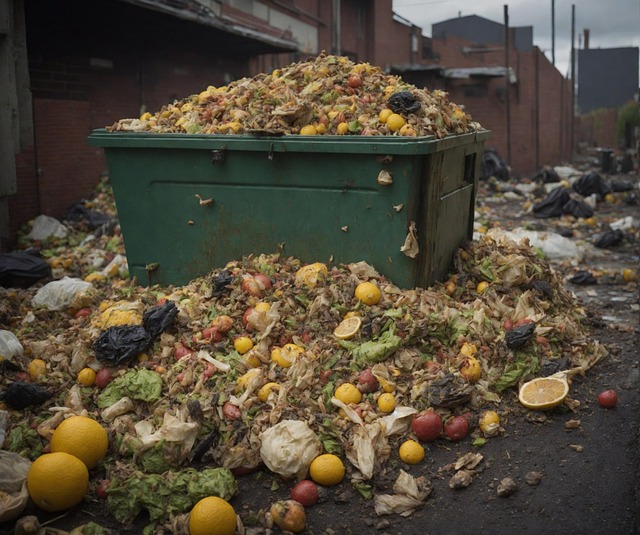
Homeowners interested in enhancing their environmental footprint can start by understanding what can be recycled right at home. A comprehensive recycling service offers a straightforward solution, encouraging responsible waste management practices. The range of materials suitable for recycling is broader than many realize, encompassing everything from paper and plastic to glass and metal. For instance, according to the Environmental Protection Agency (EPA), paper and paperboard account for 25% of all municipal solid waste in the US, making it a significant component in home recycling efforts.
When considering what can be recycled, it’s essential to familiarize yourself with your local recycling service borrower requirements. These guidelines ensure that materials are processed efficiently, reducing potential contamination. Common household items like cardboard boxes, newspaper, and clean plastic containers are often accepted. Even kitchen scraps and yard waste can be composted, further diversifying the types of materials that can be recycled or repurposed at home. For example, food scraps and yard trimmings, when properly composted, enrich soil, promoting sustainable gardening practices.
Incorporating recycling service routines into daily life requires a bit of planning and knowledge of what is recyclable in your area. Many local governments provide comprehensive guides to help residents navigate the process. By adhering to these guidelines and making informed choices about what to recycle, homeowners can actively contribute to reducing waste sent to landfills, conserving natural resources, and fostering a more sustainable future.
Setting Up an Efficient Recycling System

Setting up an efficient recycling system at home is a rewarding endeavor that contributes to a sustainable lifestyle. It involves understanding your local recycling service and tailoring it to your needs. Homeowners often seek practical ways to optimize their participation in this environmental initiative. This section provides insights into navigating the process effectively, ensuring that your efforts are both meaningful and straightforward.
The first step is familiarizing yourself with your area’s recycling service policies and requirements. These guidelines dictate what materials are recyclable, collection schedules, and any specific preparations needed for each item. Many local governments offer comprehensive online resources detailing these specifications. For instance, some regions require certain plastics to be cleaned before recycling, while others have dedicated programs for electronic waste. Understanding these borrower requirements is crucial for efficient participation in the recycling service. Data suggests that proper sorting can increase the amount of material recycled by up to 30%.
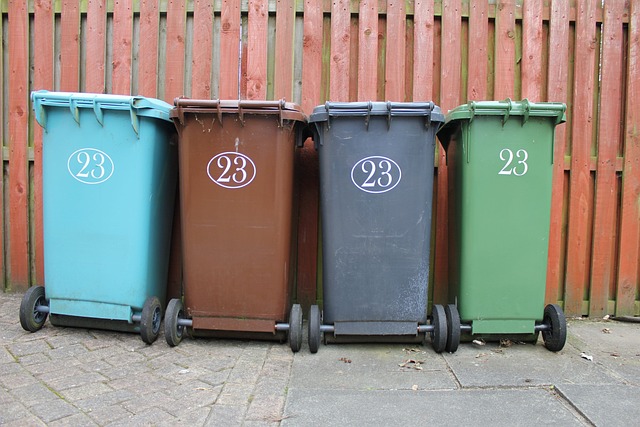
Implementing a systematic approach is key. Designate specific areas for collecting recyclables, such as a kitchen caddy for everyday items and larger containers for bulkier materials. Teach all household members about responsible sorting practices. Consider using labeled bins or bags to categorize materials like paper, glass, metal, and plastics. Some recycling services offer convenient borrower-friendly options, such as specialized collection boxes for different types of waste. For instance, a dedicated compostable materials bin can simplify organic waste management.
Regularly reviewing and updating your system is essential. As lifestyles change, so do recycling needs. Stay informed about any service changes or new recyclables accepted in your area. Keep an eye out for educational campaigns or workshops organized by local authorities to enhance your recycling knowledge. By adopting a proactive approach, homeowners can ensure their efforts align with the recycling service’s objectives, fostering a more sustainable future.
Common Recycling Mistakes to Avoid

Many homeowners are eager to contribute to a sustainable future through recycling but often find themselves making common mistakes that undermine their efforts. Understanding the correct practices is essential for an effective recycling service, ensuring materials are properly processed and environmental benefits maximized. One of the primary issues is the incorrect separation of materials, where items like plastic bags, food scraps, or glass are mixed together, contaminating entire batches. This not only renders them unusable but also defeats the purpose of recycling. For instance, a recent study revealed that 75% of recyclable materials collected in urban areas were contaminated due to improper sorting by residents.
Another frequent error is failure to check local recycling service guidelines and borrower requirements. Every region has specific rules regarding what can be recycled, and these regulations vary widely. Borrowers often assume that because an item is commonly used, it’s automatically recyclable. For example, while many regions accept cardboard boxes, certain areas prohibit the recycling of those used for shipping electronics due to hazardous materials inside. Ignoring these guidelines can result in rejected loads, causing inconvenience and potential environmental setbacks. To avoid this, homeowners should familiarize themselves with their local recycling service programs, available online or through community centers, which detail what items are accepted and any special preparation needed.
Moreover, the perception that all recycling services are created equal is a significant pitfall. Different recycling services have varying capabilities and processing methods. Some facilities may only accept certain types of plastics, while others might handle hazardous waste. Understanding these limitations ensures that materials are directed to the most suitable facility for proper treatment. For instance, electronic waste (e-waste) requires specialized handling due to its toxic components. Borrowers should check if their recycling service provides this option or direct them to appropriate drop-off points, preventing potentially harmful disposal methods.
The Environmental Impact of Home Recycling

Recycling service, as a practical endeavor for homeowners, plays a pivotal role in mitigating environmental degradation. The environmental impact of home recycling is significant, with numerous benefits accrued from reducing waste, conserving resources, and lowering greenhouse gas emissions. For instance, recycling one ton of paper saves approximately 17 mature trees, 4,100 kilowatt-hours of electricity, and 3.3 cubic yards of landfill space. Similarly, aluminum can recycling saves up to 95% of the energy required to produce new cans from raw materials.
Homeowners who engage in effective recycling service contribute to a circular economy by diverting materials from landfills and incinerators. This reduces the need for virgin resources extraction, which often involves deforestation, mining, and drilling. Moreover, recycling service borrower requirements, such as proper sorting and cleaning of recyclables, ensure that materials maintain their value and quality throughout the process. For example, plastic recycling requires careful segregation by type to enable effective reprocessing, enhancing the overall efficiency of the recycling service.
Implementing a robust recycling service at home necessitates understanding local guidelines and regulations, which can vary significantly. Homeowners should familiarize themselves with what items are accepted in their area, correct preparation methods (e.g., cleaning, crushing, or flattening), and collection schedules. Many municipalities offer comprehensive online resources detailing recycling service borrower requirements to facilitate proper waste segregation. Furthermore, educative campaigns and community initiatives can foster a culture of responsible recycling, ensuring that efforts made by homeowners are maximized and contribute to a healthier planet.