Property owners can significantly contribute to sustainability by understanding and adhering to their local recycling service regulations. Key aspects include knowing acceptable materials (e.g., paper, glass, metal), proper preparation, and separating recyclables from contaminants. Common challenges include material confusion, mixed contaminants, and variations in local guidelines. Effective practices, such as accurate categorization, resident education, and source reduction, can divert over 70% of waste from landfills, benefiting both the environment and property values.
In today’s world, property owners are increasingly recognizing the importance of sustainable practices, particularly when it comes to managing waste through effective recycling services. With growing environmental concerns, implementing efficient recycling programs within residential properties is not just a trend but a necessary step towards a greener future. However, many homeowners face challenges in understanding and executing proper recycling methods. This article aims to serve as an authoritative guide, offering insights into the benefits of integrated recycling services and providing practical strategies for property owners looking to minimize their environmental footprint.
Understanding Your Local Recycling Service
Understanding your local recycling service is a crucial step for property owners looking to implement sustainable practices. Recycling services vary widely from region to region, with each municipality or county having its own set of guidelines and regulations. As such, it’s essential for property owners to familiarize themselves with their local recycling service, including the types of materials accepted, collection schedules, and any specific requirements. For instance, some areas may require separate collection for glass, plastic, paper, and metal, while others might offer a comprehensive single-stream recycling program.
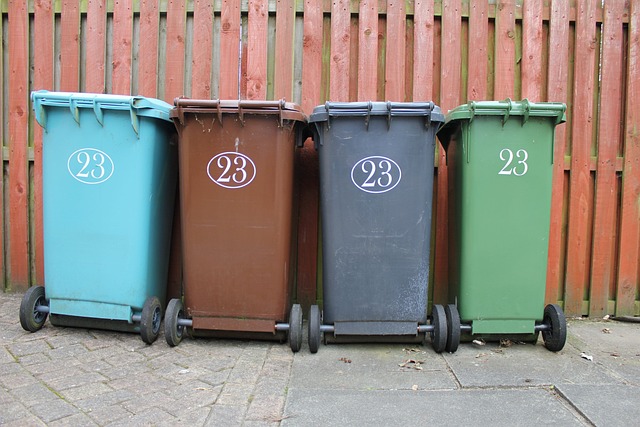
One key aspect to consider is the recycling service borrower requirements. Many services require residents to have specific containers or bags for different material streams. These items often come with standardized labels to ensure proper sorting. Property owners should check if their local service provides these materials and, if not, where they can acquire them. Additionally, understanding the acceptable sizes and volumes of recyclables is vital; exceeding these limits may result in service disruptions or additional charges.
Data from recent studies shows that proper recycling practices can significantly reduce waste sent to landfills, with some cities achieving rates above 70%. Property owners can play a significant role in this effort by adhering to local guidelines and educating their tenants or occupants about responsible recycling. For example, ensuring that food scraps and organic materials are composted rather than discarded as regular trash can substantially impact overall waste reduction. By taking these steps, property owners not only contribute to environmental sustainability but also foster a culture of responsibility within their communities.
What Can Be Recycled: A Comprehensive Guide

Many property owners are eager to contribute to a sustainable future but may not know exactly what can be recycled through their recycling service. This comprehensive guide aims to demystify the process, empowering homeowners with the knowledge to maximize their environmental impact. Understanding what is recyclable is the first step in adopting eco-friendly practices and ensuring proper disposal of materials.
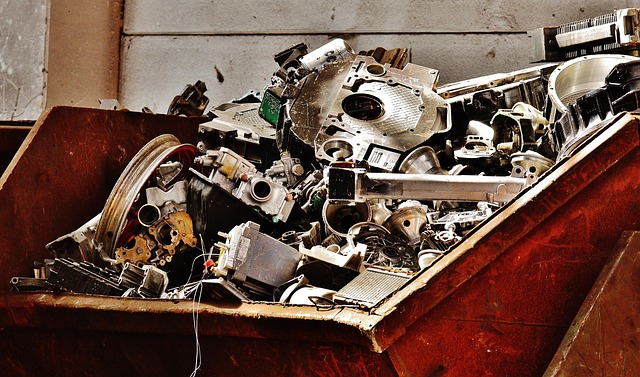
In most areas, a range of common household items are eligible for recycling. Paper products, such as newspapers, magazines, and office paper, are readily accepted by recycling services. Cardboard boxes, including those used for shipping and packaging, are also recyclable. This includes cardboard containers for food and beverages, provided they are clean and dry. Glass bottles and jars are another essential component of many recycling programs, allowing for the reuse of materials like glass bottles for beverages or jars for food preservation. Metal cans, from soda containers to food tins, are highly recyclable due to their valuable metals content, which can be reclaimed and repurposed.
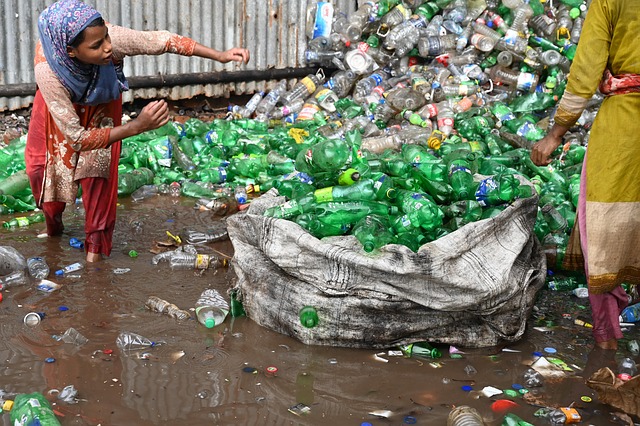
Plastics have become a significant portion of what ends up in landfills, but many recycling services now accept various types of plastic items. Look for the recycling symbol on plastic products, typically indicated by a triangle with arrows. Common examples include water bottles, milk jugs, detergent bottles, and certain types of packaging. However, it’s crucial to check with your local recycling service for specific requirements regarding plastic recycling, as not all plastics are equally recyclable. Organics, such as food scraps and garden waste, can also be recycled through composting programs, reducing the amount sent to landfills. Remember that proper preparation and separation of recyclables according to your borrowing service’s guidelines will ensure efficient processing and environmental benefits.
Setting Up Efficient Recycling Systems at Home
Setting up an efficient recycling system at home is a multifaceted process that requires thoughtful planning and a deep understanding of local recycling service borrower requirements. The first step involves assessing your property’s unique needs and available resources. Consider factors such as space constraints, waste generation rates, and access to collection points. For instance, multi-family residences may require centralized sorting stations while single-family homes can benefit from individual bins for paper, plastics, glass, and organics. Understanding these nuances ensures a streamlined system that maximizes participation and minimises contamination.
Once assessed, the next crucial step is selecting appropriate recycling containers. Standard bins are available in various sizes and materials like sturdy plastic or recycled metal. Choose containers designed to withstand frequent use and easy cleaning. Organize them logically throughout your living spaces, ensuring accessibility for all occupants. For example, place a dedicated bin near every sink for food scraps and another in high-traffic areas like the kitchen or laundry room for paper products.
Educating residents is paramount for successful implementation. Provide clear guidelines on what materials are recyclable through your local recycling service, including specific borrower requirements for item sizes, shapes, and packaging types. Regularly communicate updates and reminders via newsletters, emails, or in-person meetings. Engage residents with interactive workshops demonstrating proper sorting techniques and highlighting the environmental benefits of their participation. By fostering a culture of responsible waste management, you empower property owners to become active contributors to a sustainable future.
The Benefits of Recycling for Property Owners

For property owners, integrating a robust recycling service is more than an environmental responsibility; it’s a strategic decision with significant benefits. Firstly, recycling reduces waste management costs, which can be particularly advantageous for larger properties or those with substantial landscaping. By minimizing landfill contributions, property owners can expect lower disposal fees over time, representing a substantial financial savings. Moreover, many local recycling services offer convenient pick-up schedules, eliminating the need for constant trips to recycling centers.
Beyond economic gains, recycling service plays a crucial role in maintaining and enhancing property values. A well-managed recycling program contributes to the overall aesthetic appeal of a neighborhood. Clean, organized spaces with minimal debris and waste attract potential buyers and tenants, potentially increasing property values. This is especially pertinent for short-term rental properties where guests often appreciate eco-conscious practices. For instance, a study by the U.S. Environmental Protection Agency found that homes with visible recycling programs are 17% more likely to sell at a premium compared to similar properties without such initiatives.
Implementing an effective recycling service involves understanding borrower requirements, ensuring proper sorting of materials, and educating tenants or occupants. Property owners should familiarize themselves with local recycling guidelines, which often dictate what items are recyclable, how they should be prepared, and the collection schedule. Engaging with local recycling centers or service providers can offer valuable insights into these requirements. By fostering a culture of responsible waste management, property owners not only contribute to environmental sustainability but also cultivate a positive image as forward-thinking, community-conscious individuals.
Common Recycling Mistakes to Avoid

Many property owners are eager to contribute to a greener future but may stumble upon common recycling mistakes that hinder their efforts. Understanding these pitfalls is crucial for effective participation in any recycling service. One of the primary challenges lies in the confusion over what materials are actually recyclable, and how they should be prepared. For instance, not all plastics are created equal; only specific types can be recycled, and contamination through mixing different material types can render an entire batch unsalvageable.
Another frequent error is failing to remove contaminants from recyclables. Food residue on paper products or plastic bags mixed with other materials can prevent the recycling process. This highlights the importance of thorough cleaning before placing items in your recycling service container. Moreover, not all recycling services accept every type of material; what works in one municipality might not be accepted in another. Property owners should familiarize themselves with their local recycling service borrower requirements to ensure their efforts are both effective and environmentally beneficial.
Data suggests that a better understanding of proper recycling practices could significantly increase the amount of materials recycled. For example, recycling just 10% more paper, plastic, glass, and metal could save enough energy to power an average American home for up to six months. Therefore, staying informed about what can be recycled, how it should be prepared, and adhering to local guidelines are essential steps to avoid common mistakes. By adopting these practices, property owners can contribute to a more sustainable future while also reducing their environmental impact.
Best Practices for Effective Waste Reduction

In the realm of sustainable property management, effective waste reduction through robust recycling services stands as a cornerstone for responsible environmental stewardship. Property owners have a unique opportunity to lead by example and minimize their ecological footprint. The key lies in implementing best practices that not only optimize recycling efforts but also educate and engage residents or tenants. One significant aspect is understanding the interplay between recycling service and borrower requirements—ensuring that both parties are aligned towards minimal waste outcomes.
A strategic approach begins with categorizing recyclables accurately, adhering to local guidelines and the capabilities of your chosen recycling service. For instance, many areas mandate separate collection for paper, plastic, glass, and metal, each requiring specific preparation. Residents should be educated on what belongs in each bin, promoting a culture of responsible sorting. Additionally, encouraging residents to reduce packaging waste at the source can significantly impact overall recyclability. This might involve advocating for eco-friendly product choices and minimizing disposable items.
Data from the EPA reveals that proper recycling practices can divert over 70% of materials from landfills. However, achieving this requires consistent effort and a holistic view of waste management. Property owners should regularly communicate with their recycling service providers to stay informed about any updates in borrower requirements or service offerings. This dialogue fosters a collaborative environment, ensuring that both parties remain committed to environmental goals. By combining resident education, proper categorization, and open communication with recycling service providers, property owners can transform their facilities into models of effective waste reduction and sustainable living.