Property owners can significantly enhance sustainability by understanding their local recycling service. Key actions include sorting paper, plastic, glass, and metal properly, adhering to specialized programs for food waste and specific plastics, and learning from community resources or municipal websites. Effective recycling services educate residents, prevent contamination, and maximize environmental benefits like resource conservation and reduced landfill waste. By integrating strategic approaches, including clear communication, data insights, incentives, and cost savings, property owners can contribute to a cleaner environment and strengthen their market position.
In today’s world, responsible property ownership extends beyond aesthetics and maintenance; it encompasses environmental stewardship. Effective waste management through a robust recycling service has become not just a recommendation but an ethical imperative for homeowners. However, navigating the complex web of local regulations and best practices can be daunting. This article provides an authoritative guide, demystifying the process and empowering property owners to adopt sustainable habits. We’ll delve into the significance of recycling services, explore common challenges, and offer practical solutions tailored for informed and responsible property stewardship.
Understanding Your Local Recycling Service
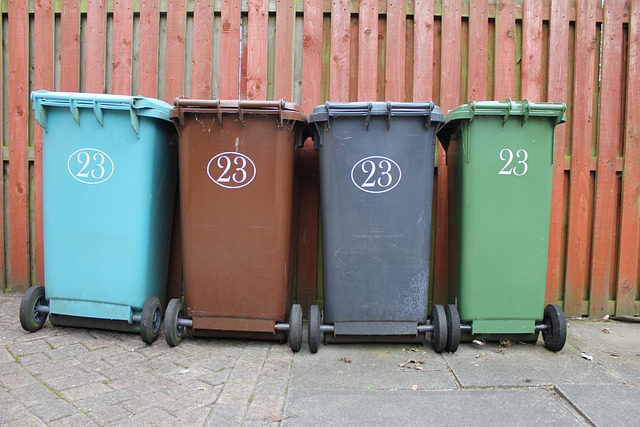
Understanding your local recycling service is a crucial step for property owners looking to adopt sustainable practices. Each community has its own set of guidelines and programs, often referred to as the local recycling service, which dictate what materials can be recycled and how they should be processed. These services are designed to reduce waste, conserve natural resources, and protect the environment. As such, it’s important for property owners to familiarize themselves with these regulations to ensure their efforts align with the broader goals of sustainable living.
One key aspect to consider is the specific recycling service borrower requirements. These typically include guidelines on sorting materials like paper, plastic, glass, and metal into separate containers. For instance, many areas mandate that food waste and certain types of plastic be disposed of through specialized programs rather than traditional recycling bins. Understanding these requirements ensures that your efforts contribute effectively to the local recycling ecosystem. To give a practical example, some communities may require residents to rinse clean all containers before placing them in recycling bins, preventing contaminants from undermining the entire batch.
Data shows that proper adherence to local recycling service guidelines can significantly increase the amount of material recycled and diverted from landfills. A 2020 study by the Environmental Protection Agency (EPA) revealed that about 68% of U.S. households participate in some form of recycling, but only around 34.5% of all municipal solid waste was recycled or composted in 2018. This highlights a clear opportunity for property owners to make a difference by learning and following their local recycling service protocols. To maximize the positive impact, consider attending community workshops or visiting your municipality’s website for detailed information on what can be recycled and how it should be prepared.
What Can Be Recycled: Common Household Items

Many property owners are unaware of the extensive range of items that can be included in their recycling service. This often leads to a significant amount of potentially recyclable material ending up in landfills. Understanding what can be recycled is the first step towards more sustainable living and reducing waste. Common household items such as paper, plastic, glass, and metal are all candidates for recycling, but there’s much more that many people don’t realise can be included. For instance, did you know that certain types of clothing, electronics, and even furniture can be recycled? These materials often end up in landfills due to a lack of knowledge about their recyclable nature.
One of the key benefits of using a comprehensive recycling service is that it caters to a wide array of borrower requirements. This means that property owners don’t have to worry about separating materials into different categories—a task that can be time-consuming and often leads to contamination. Services that accept a broad range of recyclable items, including plastic bags, cardboard packaging, garden waste, and even electronic devices, offer significant advantages in terms of convenience and environmental impact. For example, according to recent data, recycling one ton of mixed paper saves enough energy to power an average American home for up to six months. This highlights the profound effect that proper recycling practices can have on reducing our carbon footprint.
Moreover, a quality recycling service should provide clear guidelines and education on what is and isn’t recyclable. This includes information about preparing items for collection, such as cleaning food containers or ensuring glass jars are free of any contaminants. Property owners who take advantage of these services not only contribute to a cleaner environment but also play a vital role in preserving natural resources. By recycling common household items, we can reduce the demand for new materials, thereby minimising the need for extraction and processing, which often have significant environmental and social impacts.
Setting Up a Home Recycling System
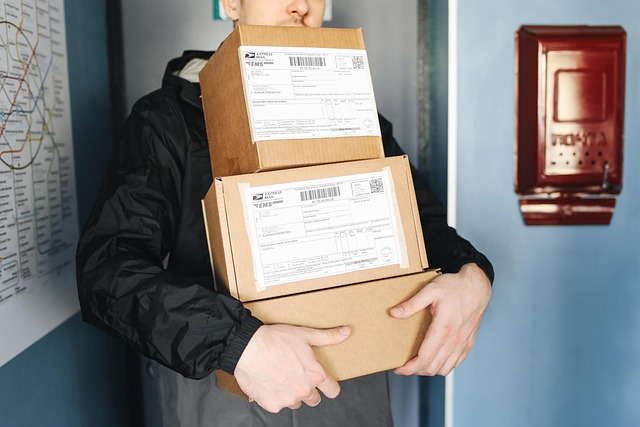
Setting up a home recycling system is an integral part of being an environmentally conscious property owner. A robust recycling service not only reduces waste but also contributes to a more sustainable future. The first step involves understanding your local recycling service borrower requirements. Many regions offer comprehensive programs, encouraging residents to separate and recycle materials like paper, plastic, glass, and metal. For instance, in urban areas, where recycling rates can be as high as 50%, proper setup can significantly enhance these figures.
Identify available collection points or schedule pickups based on your area’s guidelines. Ensure you have the necessary containers for different material types; clear bags or bins for paper, plastic bottles and containers, glass jars, and metal cans. Proper labeling is crucial; clearly mark each container with its intended contents. Data suggests that households using separate containers reduce contamination rates by up to 30%, improving the efficiency of the entire recycling service process.
Beyond setup, educate your household members about what can be recycled and how to prepare items correctly. Common mistakes like mixing recyclables or contaminating batches can disrupt the recycling service process. Regularly review local guidelines as they may evolve to include new materials or change collection schedules. By integrating these practices, you not only contribute to a cleaner environment but also play a vital role in supporting your community’s sustainability efforts.
Effective Recycling Practices for Property Owners
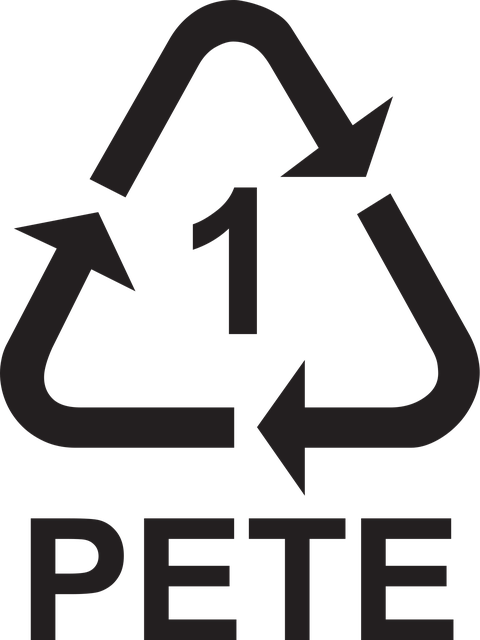
Effective Recycling Practices for Property Owners demand a strategic approach, especially when considering the environmental impact and operational efficiency. A robust recycling service isn’t merely about sorting materials; it’s a nuanced process that requires understanding local regulations, adopting best practices, and fostering a culture of sustainability among residents. For property owners, implementing these practices can lead to significant cost savings, reduced waste, and improved community engagement.
A key aspect of successful recycling is ensuring that all borrowers—whether they’re long-term tenants or temporary residents—are educated on the recycling service borrower requirements. This includes providing clear, concise guidelines on what materials are recyclable, where to place them, and how to prepare them for collection. For instance, a comprehensive guide could detail the acceptable types of plastic, paper, glass, and metal, along with specific instructions for contaminant-free sorting. Regular communication through newsletters, emails, or in-building displays can reinforce these practices and encourage consistent participation.
Data suggests that proper recycling programs can divert an impressive amount of waste from landfills. According to a study by the EPA, recycling one ton of paper saves 17 trees and 7,000 gallons of water. Similarly, aluminum cans recycled annually save enough energy to power an average American home for up to six months. Property owners can leverage these statistics to underscore the importance of their recycling service, fostering a sense of collective responsibility. To enhance these efforts, consider offering incentives for high-participation buildings or organizing community events focused on recycling and environmental awareness.
Ultimately, effective recycling practices are not only beneficial for the environment but also contribute to the long-term financial health of property owners. By implementing strategic recycling service solutions, reducing waste, and adhering to local regulations, property owners can minimize operational costs, enhance tenant satisfaction, and position their properties as eco-friendly leaders in the market.
The Environmental Impact of Your Recycling Efforts

The environmental impact of your recycling efforts is a significant consideration for property owners looking to uphold sustainable practices. Every item placed in a recycling service contributes to a broader ecosystem that impacts local environments and global climate conditions. For instance, recycling one ton of paper saves 17 mature trees, 7,000 gallons of water, and 463 gallons of oil, illustrating the substantial ecological benefits. Similarly, aluminum can recycling saves up to 95% of the energy required to produce new cans from raw materials, reducing carbon emissions and conserving natural resources.
Effective recycling service goes beyond simple collection. It involves understanding borrower requirements and adhering to specific guidelines for what can and cannot be recycled. This ensures that materials are processed correctly, maximizing environmental benefits and minimizing contamination. Property owners should familiarize themselves with their local recycling service borrower requirements to ensure their efforts are productive. Common items accepted include paper products, plastic containers, glass bottles, and certain types of metal cans, while hazardous waste, electronics, and food scraps often require separate collection or disposal methods.
Beyond individual actions, engaging in comprehensive recycling services as a community can have profound effects. According to the EPA, recycling diverting just 10% of urban solid waste from landfills could save enough energy to power a city the size of Pittsburgh for over a year. This underscores the collective responsibility and impact that informed property owners can have by adhering to recycling service borrower requirements and promoting sustainable practices within their communities. Additionally, local governments and recycling cooperatives often provide educational resources and incentives to encourage higher participation rates, further enhancing environmental stewardship at every level.