Understanding local recycling service options is crucial for property owners aiming to reduce waste, promote sustainability, and fulfill community responsibilities. Key insights include:
– Varied collection methods (separate/single-stream), container types, schedules, and restrictions on hazardous materials.
– Common recyclable items (paper, plastic, glass, metal) and proper preparation techniques like rinsing and sorting.
– Benefits of recycling: reducing environmental footprint, diverting waste from landfills, conserving resources, lowering greenhouse gas emissions.
– Property managers play a vital role in communicating requirements, ensuring compliance, and partnering with reputable providers for multi-unit dwellings.
– Staying informed about local programs enables maximizing positive environmental impact through efficient sorting and proper washing to prevent contamination.
In the realm of sustainable property management, one key aspect often demands heightened attention: recycling services. As folks increasingly recognize the environmental imperative, effectively implementing and optimizing these services becomes a game-changer for both property owners and the broader community. The problem lies in the complexity and variability of recycling practices across different locations, creating a labyrinthine landscape that can confuse even the most diligent stakeholders. This article aims to illuminate the path forward by providing an authoritative guide to recycling services, offering practical insights to help property owners navigate this crucial aspect of stewardship effectively.
Understanding Your Local Recycling Service

Understanding your local recycling service is a crucial step for property owners looking to reduce waste and contribute to environmental sustainability. Recycling services vary significantly across regions, so it’s essential to know what materials are accepted, how they’re processed, and what specific requirements—often minimal—are expected of borrowers. For instance, while some areas mandate separate collection for plastics, glass, and paper, others offer comprehensive single-stream recycling where all these items can be mixed together in one container.
To maximize the benefits of your local recycling service, property owners should familiarize themselves with borrower requirements. This includes checking the specific types and sizes of containers provided, understanding collection schedules, and learning about any restrictions on hazardous materials or large items like electronics. For example, a city might offer bi-weekly collection for recyclables in standard 95-gallon bins but require additional arrangements for bulky waste. Staying informed ensures efficient participation and avoids potential penalties.
Data shows that proper recycling practices can significantly reduce the environmental footprint of property ownership. According to recent studies, residential recycling programs divert millions of tons of waste from landfills annually, conserving natural resources and lowering greenhouse gas emissions. By understanding and adhering to local recycling service guidelines, property owners can do their part to foster a circular economy, where materials are reused and recycled continually. This collective effort not only benefits the environment but also contributes to the overall sustainability of our communities.
What Can Be Recycled: Common Items & Categories
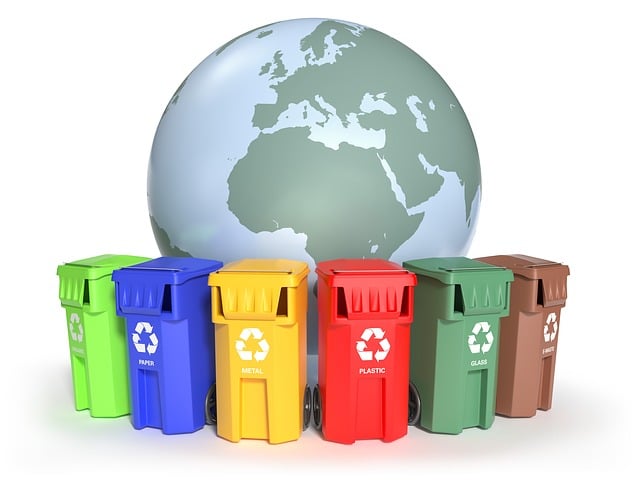
Many property owners are eager to contribute to a sustainable future by embracing recycling services. Yet, understanding what can be recycled is a crucial first step for effective participation. This section delves into the common items and categories eligible for recycling, providing homeowners with practical insights to maximize their environmental impact.
Recycling services cater to a diverse range of materials, transforming them from waste into valuable resources. Paper products, including newspapers, magazines, envelopes, and cardboards, are among the most recycled items. Even used paper towels and toilet paper rolls can be collected. Plastics such as bottles, jars, containers, and packaging materials are also highly recyclable, ensuring that plastic waste is properly managed. Metal items like aluminum cans, steel food containers, and even old appliances contribute to a circular economy when recycled. Glass containers, from soda bottles to food jars, are another common category, often processed into new glass products or used in construction.
It’s essential for property owners to familiarize themselves with their local recycling service borrower requirements. These guidelines ensure that materials are prepared correctly for collection, maximizing the success of the recycling process. For instance, many services require items to be rinsed and free from contaminants like food residue. Proper sorting and labeling, as specified by the recycling service provider, can enhance the efficiency of the entire process. Data indicates that proper recycling practices can divert a significant portion of waste from landfills, with some cities achieving diversion rates above 50%. By adhering to these requirements, homeowners not only contribute to environmental conservation but also help maintain a clean and sustainable living environment for their communities.
Proper Preparation for Effective Recycling

Preparing your property for effective recycling is a crucial step in maximizing the benefits of the recycling service we offer. It involves more than just sorting materials; it’s about setting the stage for a successful and sustainable recycling process. We understand that as property owners, you have various responsibilities, but taking the time to prepare properly can significantly impact the overall success of your recycling efforts.
A key aspect is educating yourself and your household members about what can be recycled and how to sort it correctly. Common recyclables include paper products like newspapers and cardboard, glass bottles and jars, plastic containers, and metal cans. Each material has specific guidelines for processing, so ensuring that items are clean, dry, and placed in the appropriate containers is essential. For instance, rinsing out food containers prevents odors and attracts pests. The recycling service we provide relies on these pre-sorted materials to operate efficiently, so adhering to these simple steps can make a big difference.
Additionally, assessing your property for potential recycling opportunities beyond standard materials is beneficial. This might include organic waste from gardens or kitchens that can be composted, reducing the amount sent to landfills. Some areas have specific programs for electronic waste and hazardous materials, which often require special handling and collection. Understanding these local recycling service borrower requirements ensures compliance and allows you to contribute to a comprehensive circular economy. By embracing these practices, property owners not only enhance their environmental footprint but also actively participate in a sustainable future.
Setting Up a Recycling System at Home

Setting up a recycling system at home is a significant step towards responsible property management and contributing to environmental conservation. As property owners, actively engaging in recycling services not only reduces waste but also aligns with growing community efforts to create a greener future. Understanding the process and requirements of a recycling service, especially tailored for homeowners, can transform your space into an eco-friendly haven.
The first step is to familiarize yourself with the local recycling service options available. Many areas offer comprehensive programs that include collection for various materials like paper, plastic, glass, and metal. Property owners should inquire about specific guidelines and borrower requirements from their local waste management authorities or community centers. These services often provide detailed information on what items are recyclable, how they should be prepared, and the frequency of collections. For instance, some areas mandate separating recyclables from general waste at source, while others offer mixed recycling collection.
Once you’ve gathered this knowledge, creating a streamlined system within your property becomes more manageable. Consider dedicated spaces for sorting recyclables—a small area in your garage or utility room can serve as a sorting station. Invest in clearly labeled bins for each type of recyclable material to ensure a simple and intuitive process for all household members. As you implement these changes, you’ll not only be enhancing your environmental footprint but also instilling eco-conscious habits within your family. Remember, recycling services are designed to make sustainable living accessible and beneficial for everyone involved.
Collaborating with Property Management: Responsibilities
For property owners looking to enhance their sustainability efforts, collaborating with a dedicated recycling service is an essential step. This partnership becomes even more crucial when managing multiple properties, as efficient waste management can significantly impact operational costs and tenant satisfaction. Property managers play a pivotal role in facilitating this collaboration, ensuring that recycling programs are not just implemented but thrive within the building’s community.
Effective collaboration begins with understanding the specific recycling service borrower requirements. These may include separate collection points for various recyclables, such as paper, plastic, glass, and metal, each with its own set of guidelines for preparation and sorting. For instance, tenants might need to rinse and clean containers before placing them in designated bins, a simple yet vital step that significantly improves the quality of recycled materials. Property managers should communicate these requirements clearly to residents, empowering them to actively participate in the process. Moreover, they must ensure compliance with local recycling regulations, which often dictate acceptable materials and collection frequencies.
The property management team’s responsibility extends beyond communication. They must also facilitate access to recycling services by partnering with reputable providers who can offer tailored solutions for multi-unit dwellings. This involves negotiating contracts, ensuring cost-effectiveness without compromising service quality, and addressing any unique logistical challenges posed by the properties’ layout or size. For example, in densely populated urban areas, managing on-site recycling facilities might be more feasible than relying solely on external collection services. By carefully considering these factors, property managers can create a seamless and encouraging recycling experience for their tenants, contributing to both environmental sustainability and community engagement.
The Environmental Impact of Responsible Recycling

Recycling services play a pivotal role in mitigating environmental impact by reducing waste, conserving resources, and lowering greenhouse gas emissions. For property owners looking to minimize their ecological footprint, understanding the benefits of responsible recycling is paramount. A comprehensive recycling service not only facilitates the proper disposal of various materials but also fosters a culture of sustainability within communities.
For instance, recycling aluminum cans saves 95% of the energy required to produce new ones, while recycling paper reduces water consumption by up to 70%. Additionally, recycling plastic bottles helps in preserving natural resources as every ton of recycled plastic saves over 15 trees and 7,000 gallons of oil. These figures underscore the significant environmental savings achievable through robust recycling services. Property owners who engage with these services are not only contributing to a greener planet but also setting an example for their neighbors and communities.
Implementing responsible recycling practices involves understanding borrower requirements set by local recycling facilities. This includes sorting waste into appropriate categories such as paper, plastic, glass, and metal. Borrower requirements ensure that materials are processed efficiently and safely, enhancing the overall environmental benefits of recycling. Property owners should familiarize themselves with these guidelines to maximize the positive impact of their recycling efforts. For instance, washing recyclables before deposit can prevent contamination, ensuring items like cardboard boxes and glass jars are ready for processing.
Moreover, staying informed about local recycling programs and initiatives empowers property owners to make more sustainable choices. Many communities offer collection services or drop-off points for various materials, making it easier than ever to participate in responsible recycling. By actively engaging with these services and educating others on the importance of recycling, property owners can contribute to a collective effort to preserve our planet’s resources for future generations.