Understanding local recycling service guidelines is vital for adopting sustainable practices at home. Key points include recognizing accepted materials (paper, plastic, glass, metal), following collection schedules, using correct containers, and avoiding common errors like mixing recyclables with non-recyclables. Compliance with these requirements maximizes recycling's environmental benefits, such as reducing landfill waste and conserving resources, ultimately contributing to a sustainable future.
In today’s world, responsible waste management is more crucial than ever for preserving our environment. Homeowners face a significant challenge in balancing daily life with sustainable practices, especially when it comes to recycling. The complexity of understanding what can be recycled and how to properly sort it can deter even the most eco-conscious individuals. This article aims to demystify the process by offering an authoritative guide to recycling services tailored for homeowners. We’ll explore practical steps and strategies to maximize participation in recycling efforts, ensuring that your household contributes positively to a greener future.
Understanding Your Local Recycling Service
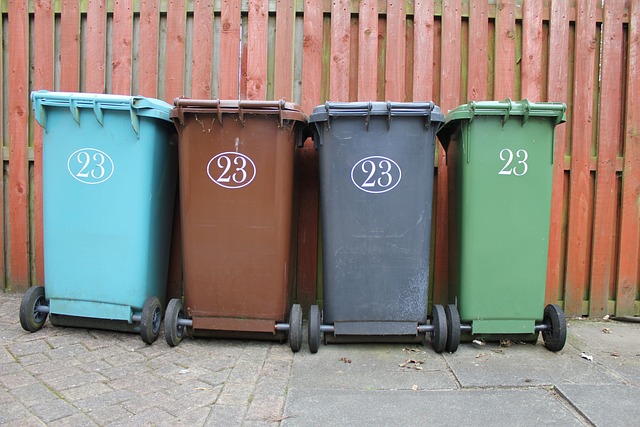
Understanding your local recycling service is a crucial step for homeowners looking to adopt sustainable practices. Recycling services vary widely from region to region, with each municipality often having its own set of guidelines and collections schedules. As such, it’s essential for residents to familiarize themselves with their specific recycling service borrower requirements. According to recent data, proper recycling can divert over 70% of household waste from landfills, underscoring the importance of individual responsibility in this collective effort.
The first step is to determine what materials your local service accepts and how they should be prepared for collection. Common recyclables include paper products, plastic bottles and containers, glass bottles and jars, and metal cans. However, not all items are created equal; certain types of plastics, glass, and metals may require specific processing or have designated drop-off locations. For instance, in some areas, certain types of plastic bags or film plastic are not accepted due to challenges in recycling them effectively. Homeowners should check their local guidelines for these specifics, ensuring they properly sort and prepare recyclables according to the service’s requirements.
Next, understand your collection schedule. Some services operate on a weekly basis, while others may collect materials biweekly or even less frequently. This scheduling can impact how homeowners need to organize their recycling efforts, potentially requiring dedicated collection containers or bins for indoor storage until collection day. Moreover, it’s vital to know the accepted container types—plastic bins, paper bags, or specialized receptacles—to ensure compliance and facilitate efficient collections. By adhering to these local recycling service borrower requirements, homeowners can maximize their positive environmental impact and contribute to a sustainable future.
What Can Be Recycled at Home?
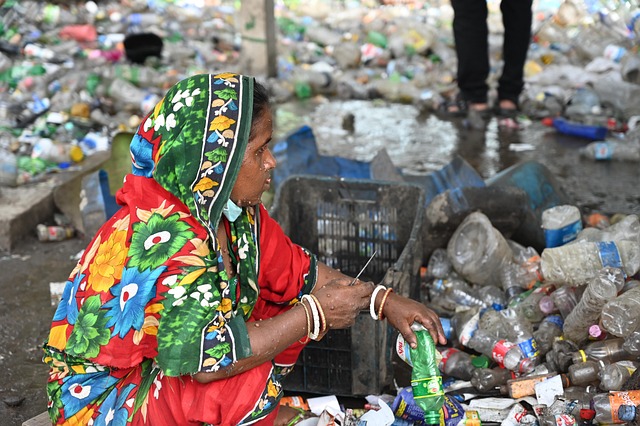
Homeowners interested in a comprehensive recycling service often wonder what items are actually recyclable at home. The list of recyclable materials is extensive, but understanding what can be processed through your local recycling service requires a bit of knowledge and guidance. This section delves into practical considerations for homeowners looking to optimize their recycling efforts.
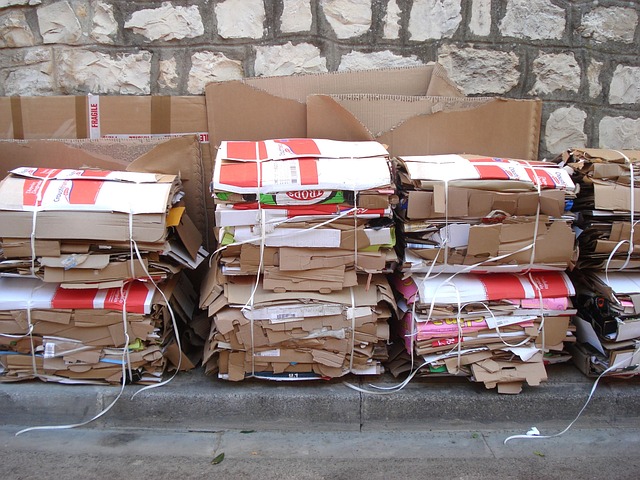
Paper products like newspapers, magazines, and junk mail are commonly recycled, as well as various types of cardboard, including boxes from groceries and shipping. However, not all paper is created equal; tissue paper, napkins, and soiled paper products should be avoided to maintain the quality of recycled materials. Glass containers, such as jars and bottles, are another staple in home recycling programs. They can be cleaned and returned, though specific guidelines on glass size and type vary by region. Metal cans for food and beverages are highly recyclable, but it’s essential to separate them from other metals like aluminum foil or steel to ensure proper processing by the recycling service.
Plastic waste is a significant component of home recyclables, but it requires careful sorting. Common plastic items include bottles, containers, and packaging material, often identifiable by the resin code inside a triangle on the product. However, not all plastics are collected equally; check with your local recycling service borrower requirements to understand which types are accepted in your area. Organic waste, though not technically recyclable, can be composted instead, reducing landfill waste significantly. By understanding what is and isn’t recyclable, homeowners can efficiently contribute to environmental sustainability through their recycling service.
Setting Up an Efficient Recycling System
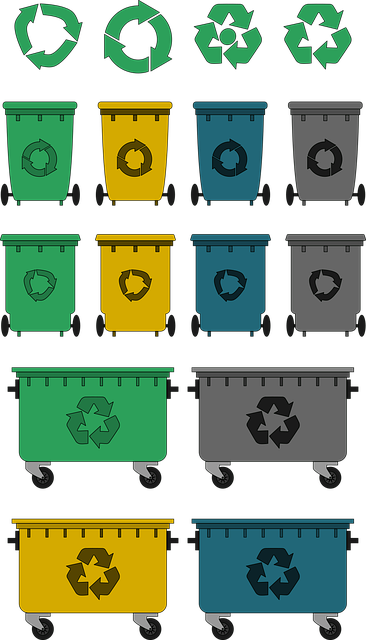
Setting up an efficient recycling system at home is a multifaceted process that requires understanding both local recycling service offerings and individual household needs. Homeowners can significantly reduce their environmental impact by adopting a structured approach to sorting and submitting recyclables. The first step involves familiarizing oneself with the local recycling service, which often provides detailed guidelines on what materials are accepted, how they should be prepared, and where to place them for collection. For instance, many areas mandate specific types of plastic containers, paper products, and glass bottles, ensuring these items are cleaned and dry before placement.
Once the basic framework is understood, homeowners can tailor their system to their unique recycling service borrower requirements. This might include acquiring suitable storage bins or bags for different material types, establishing a weekly sorting routine, and creating clear signage to educate household members. A practical example could be dedicating one day each week solely for recycling preparation, ensuring all recyclables are sorted, cleaned, and ready for collection by the local recycling service. Data suggests that efficient home recycling can divert substantial amounts of waste from landfills, with studies indicating that proper sorting and participation in municipal recycling services can reduce residential trash by up to 50%.
Additionally, homeowners should stay informed about any updates or changes in their recycling service borrower requirements. Local governments and recycling facilities regularly revise guidelines to keep pace with technological advancements and market demands. Staying current ensures compliance and maximizes the environmental benefits of recycling efforts. For instance, staying abreast of new types of plastics accepted by your local recycling service encourages the responsible disposal of a broader range of products, thereby promoting sustainability.
Common Recycling Mistakes to Avoid

Many homeowners today are embracing the benefits of recycling service to reduce their environmental impact, but even the most diligent can make mistakes that undermine these efforts. This section delves into common recycling errors and offers expert advice on how to avoid them, ensuring your recycling service contributes maximally to a sustainable future.
One frequent error is mixing recyclable materials with non-recyclables. Contamination not only defeats the purpose of recycling but also can render entire batches unusable. For instance, food waste or soiled paper products should never be placed in recycling bins. Even trace amounts of non-recyclable materials can cause entire loads to be sent to landfills, negating the environmental benefits. To avoid this, educate yourself on your local recycling service borrower requirements and ensure all items are clean and dry before placing them in designated bins.
Another oversight is failing to separate different types of recyclables properly. Different materials require specific processing methods to be recycled effectively. For example, plastic bottles should not be mixed with plastic bags or film. Similarly, glass containers must be separated from paper and cardboard. Proper sorting at the source—before items enter your recycling service—is crucial to ensure these valuable resources are processed efficiently. Utilizing clear, labeled bins for different types of recyclables can serve as a practical reminder and aid in this process.
Moreover, not all recycling services accept the same materials, and local guidelines can vary significantly. Homeowners must stay informed about what their specific recycling service does and doesn’t recycle. For instance, some programs may not accept certain types of plastic, electronics, or hazardous waste. Ignoring these restrictions can lead to frustration and even damage to recycling equipment. Regularly reviewing and understanding your recycling service borrower requirements is essential for successful participation in this environmental initiative.
The Environmental Impact of Responsible Recycling
Recycling is a powerful tool in the fight against climate change, and for homeowners looking to reduce their environmental footprint, understanding the impact of responsible recycling is crucial. When utilized effectively, a recycling service can significantly minimize waste, conserve natural resources, and decrease greenhouse gas emissions. For instance, did you know that recycling aluminum cans saves up to 95% of the energy required to produce new ones? This simple act contributes to a substantial reduction in carbon emissions.
Homeowners who engage in diligent recycling play a vital role in diverting materials from landfills. Traditional waste disposal methods contribute significantly to environmental degradation, as organic matter decomposes, releasing methane—a potent greenhouse gas. By adopting a recycling service and adhering to borrower requirements, residents can ensure that their recyclable materials are processed properly. This process involves sorting items like paper, plastic, glass, and metal into separate bins, each destined for appropriate recycling facilities. Proper separation is key; mixed recyclables can contaminate the batch, rendering them unusable.
Moreover, many local recycling services offer guidance on what is recyclable and how to prepare materials correctly. For example, residents might be advised to rinse food containers to prevent odors and attract pests. This small step ensures that recycled items are of higher quality and more valuable to manufacturers. As a result, they can be transformed into new products, closing the loop on waste management. Understanding and complying with recycling service borrower requirements is not only an environmentally conscious choice but also contributes to a more sustainable and efficient community.