Understanding your property's recycling potential is crucial for maximizing environmental benefits of a recycling service. Key steps include evaluating current practices, implementing dedicated programs, educating occupants, and partnering with specialized providers. Efficient home recycling systems involve assessing waste streams, sorting recyclables, educating household members, and regularly updating the system based on local guidelines. Navigating local recycling service options requires understanding specific programs, regulations, and available options. Property owners can significantly contribute to environmental protection by adhering to guidelines, reducing source generation, composting organic matter, and properly disposing of e-waste. Engaging with local initiatives fosters a culture of recycling and resource efficiency.
In today’s world, where environmental sustainability is a pressing concern, property owners have an opportunity to make a significant impact by embracing effective recycling practices. The importance of responsible waste management cannot be overstated, as it plays a crucial role in preserving our planet’s resources and mitigating the effects of climate change. However, navigating the complexities of recycling can be daunting for many homeowners. This article aims to demystify the process by providing an authoritative guide to recycling services specifically tailored for property owners. We will explore how these services not only simplify waste reduction but also contribute to a greener, more sustainable future.
Understanding Your Property's Recycling Potential
Understanding your property’s recycling potential is a crucial step in maximizing the environmental benefits of a recycling service. Every structure, whether it’s a single-family home, apartment complex, or commercial space, has unique waste management needs. The first step is to assess your property’s current recycling capabilities and identify areas for improvement. For instance, properties with high volumes of paper, plastic, and glass waste often have significant potential for diversion from landfills through effective sorting and collection practices.
A comprehensive recycling service not only involves proper segregation but also requires adherence to specific borrower requirements. These regulations ensure that recycled materials are processed safely and efficiently. Property owners should familiarize themselves with local guidelines, which often dictate acceptable materials, collection schedules, and container sizes. For instance, some areas mandate separate bins for cardboard, paper, and plastics, while others may require organic waste diversion. Understanding these obligations is key to ensuring your property’s recycling efforts align with community standards.
Data from leading environmental organizations suggests that proper recycling practices can divert a substantial portion of municipal solid waste from landfills, reducing greenhouse gas emissions and conserving natural resources. By evaluating your property’s current practices and incorporating best practices, you can contribute significantly to these sustainability goals. This may involve implementing dedicated recycling programs, educating tenants or occupants, and potentially partnering with specialized recycling service providers who cater to the specific needs of your property type.
Setting Up an Efficient Recycling System at Home

Setting up an efficient recycling system at home is a multifaceted process that requires understanding both local recycling service offerings and personal commitments. Start by evaluating your property’s current waste stream to identify recyclable materials, such as paper, plastic, glass, and metal. Consult with your local recycling service provider, who can offer insights into specific borrower requirements and what items are accepted in your area. For instance, many services require that materials be sorted and placed in dedicated containers for each type of recyclate. This systematic approach ensures that your recycling efforts align with the service’s capabilities and enhances the quality of materials recovered.
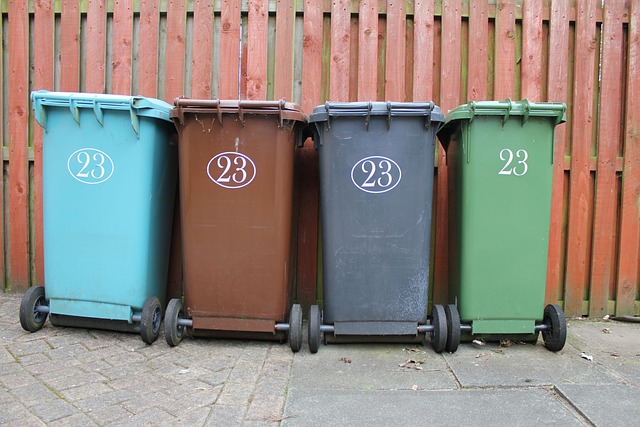
Implementing a comprehensive system involves creating designated spaces for collection points and utilizing appropriate containers marked with clear labels. For instance, consider separate bins for paper, plastic bottles, glass jars, and metal cans. Ensure these are easily accessible yet out of sight to maintain an aesthetically pleasing living environment. Additionally, educate all household members about the importance of recycling and their roles in the process. This collective effort not only fosters a culture of sustainability but also ensures compliance with local recycling service borrower requirements.
Regularly reviewing and updating your system is crucial for maximizing efficiency. Monitor changes in local recycling guidelines and adapt accordingly. For example, new materials may become recyclable, or collection schedules might change. Stay informed through official channels to avoid disruptions in your recycling service. Moreover, consider participating in community recycling initiatives like electronic waste drives or hazardous material disposal events. These opportunities not only contribute to a cleaner environment but also promote a sense of civic responsibility among property owners.
Data supports the positive impact of home recycling programs. According to recent studies, households that actively participate in local recycling services can divert approximately 30-40% of their waste from landfills. This reduction translates to significant environmental benefits, including conservation of natural resources and reduced greenhouse gas emissions. By setting up an efficient recycling system, property owners not only contribute to these collective efforts but also potentially lower their carbon footprints. Embracing this responsibility is a key aspect of sustainable living that empowers individuals to make a tangible difference in their communities.
Navigating Local Recycling Service Options for Owners

Navigating local recycling service options as a property owner involves understanding your area’s specific programs and requirements. Each community has unique approaches to facilitating responsible waste management through recycling services. Property owners must become familiar with their local guidelines and available options to ensure compliance and maximize environmental benefits.
A key aspect to consider is the recycling service borrower requirements. Many municipalities require residents to separate various materials, such as paper, plastic, glass, and metal, into specific containers for collection. These regulations can vary significantly from one area to another. For instance, some cities mandate a set schedule for recycling pickups, while others may offer a more flexible system with multiple drop-off points. Property owners should check their local government websites or contact their waste management department for detailed instructions and guidelines on what materials are accepted, how they should be prepared, and when collections occur. Understanding these recycling service borrower requirements is crucial to ensuring your efforts contribute effectively to the overall recycling program.
Moreover, exploring public recycling centers or partnerships with private recycling services can provide additional options for property owners. Some communities have established central recycling facilities where residents can drop off recyclables beyond their regular collections. These centers often cater to specific materials like electronics, textiles, or hazardous waste, which may not be covered by standard residential services. Additionally, certain recycling service providers specialize in picking up and processing unique materials, such as food scraps or construction debris, catering to the diverse needs of property owners. By understanding these local offerings, homeowners can make informed choices that best suit their recycling goals and contribute to a more sustainable environment.
Maximizing Sustainability: Best Practices for Property Owners

Maximizing sustainability is not just a goal for large-scale operations; property owners can play a significant role in protecting the environment as well. A robust recycling service is a cornerstone of this effort. By understanding and adopting best practices, homeowners can significantly reduce waste and contribute to a greener community.
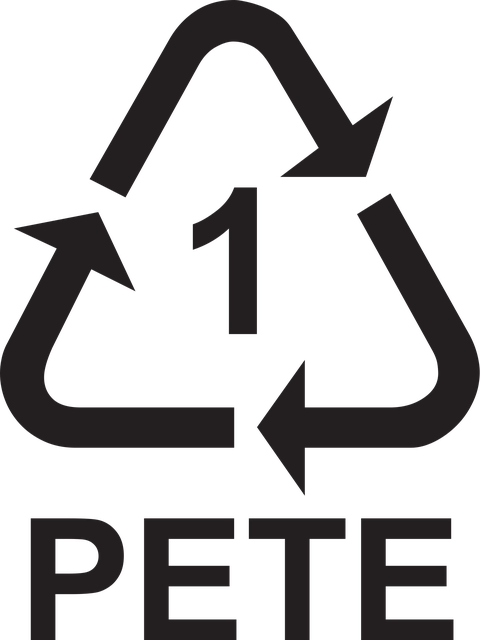
One key aspect is understanding what belongs in your recycling bin. Many areas have specific guidelines regarding materials like paper, cardboard, plastic, glass, and metal. Property owners should familiarize themselves with these requirements, ensuring that their recycling service borrower adheres to them. For instance, certain types of plastic—like PET and HDPE—are widely accepted, while others may require special handling or are non-recyclable. A comprehensive approach involves not just sorting materials but also reducing waste at the source through practices such as buying in bulk, avoiding single-use plastics, and composting organic matter when possible.
Additionally, proper disposal of electronic waste (e-waste) is crucial. Old computers, phones, and appliances should never be thrown away with regular trash due to their toxic components. Property owners can collaborate with local recycling centers or specialized services to ensure these items are handled safely and responsibly. Data from the EPA shows that recycling one ton of e-waste can save enough energy to power an average American home for up to three months. This example underscores the significant environmental impact that informed recycling practices at the property level can achieve.
Finally, staying engaged with local recycling initiatives and educating tenants or occupants about sustainable practices is vital. Regular communication on what can and cannot be recycled, along with tips on reducing waste, fosters a culture of sustainability within the community. By collaborating with neighbors and local authorities, property owners can create a circular economy where resources are reused, reduced, and recycled efficiently, maximizing the benefits for both the environment and the community at large.