Understanding local recycling service standards is crucial for property owners to minimize environmental impact. Key steps include contacting waste management authorities for accepted materials, collection frequency, and instructions. Effective preparation involves proper sorting, bin placement, education on recyclable items like electronics and batteries, and adherence to guidelines. Accurate sorting, consistent collection routines, and respecting volume limits maximize recycling service benefits, contributing to a 34% annual successful recycling rate. By following these practices, homeowners actively support improved services and foster a sustainable future.
In the realm of sustainable property management, one cornerstone stands out: recycling services. With environmental concerns mounting, it’s crucial for property owners to understand and implement effective waste reduction strategies. However, navigating the complexities of local regulations and identifying suitable recycling solutions can be daunting. This article serves as a comprehensive guide, offering authoritative insights into the world of recycling services tailored specifically for property owners. By the end, you’ll possess the knowledge needed to make informed decisions, contribute to environmental preservation, and foster a greener future.
Understanding Your Local Recycling Service
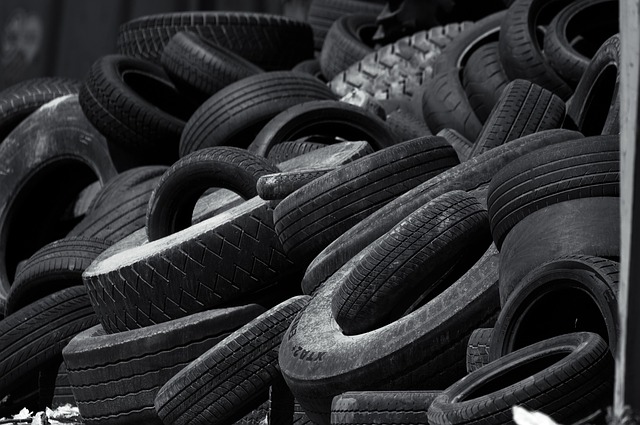
Understanding your local recycling service is a crucial step for any property owner looking to minimize their environmental impact and contribute to a more sustainable future. Recycling services vary greatly from region to region, so it’s essential to know what materials are accepted, how they’re processed, and what specific requirements exist. For instance, while many areas accept paper, cardboard, glass, and plastic, others may have more stringent guidelines regarding the condition of items or the types of plastics allowed. As a property owner, you play a vital role in ensuring these services remain effective by understanding and adhering to local recycling service borrower requirements.
One of the first steps is to contact your local waste management authority or recycling center. They can provide detailed information on what materials are collected from your area, how often collections occur, and any special handling instructions. For example, some areas require that certain plastics be cleaned before recycling, while others have specific drop-off points for hazardous materials. Understanding these nuances is key to ensuring your efforts contribute positively to the recycling process. Data shows that proper sorting and preparation can significantly increase the amount of material recycled successfully.
Moreover, staying informed about local initiatives and partnerships with recycling facilities empowers property owners to make more eco-conscious decisions. Many communities have adopted innovative solutions like single-stream recycling, where all recyclable materials are collected together, simplifying the process for residents. Additionally, being aware of recycling service borrower requirements can help prevent contamination, a significant challenge in the recycling industry. Contaminated loads reduce the quality and value of recyclables, so ensuring that materials meet the set standards is crucial. By adopting best practices and keeping up with local guidelines, property owners can actively support their community’s efforts to enhance recycling services.
Preparing Property for Efficient Recycling

Preparing your property for efficient recycling is a crucial step in becoming an environmentally responsible homeowner. This process involves understanding what materials are recyclable, how to properly sort them, and ensuring your space is organized for seamless interaction with your local recycling service. A key aspect often overlooked is preparing your property to meet the specific requirements of recycling services. This includes ensuring accessibility and safety for collectors, proper labeling of recycling bins, and maintaining a clean environment that facilitates efficient sorting.
For instance, placing recyclables close to the curb or in designated areas easily accessible by recycling vehicles can significantly streamline collection processes. Additionally, adhering to local guidelines on bin placement – such as setting them out at specific times or keeping them clear of obstructions – ensures smooth operations for the recycling service and prevents potential safety hazards. Many municipalities provide detailed borrower requirements, which should be reviewed and followed to avoid delays or disruptions in service.
Another critical consideration is educating all household members about what materials are recyclable in your area. This involves staying informed about local recycling guidelines, including specific plastics, papers, metals, and glass that are accepted. For example, certain areas may require you to separate electronics, batteries, or hazardous waste from your regular recyclables. By involving everyone in this process, you can foster a culture of responsible recycling within your home and ensure compliance with borrower requirements.
Data shows that proper preparation and education lead to higher rates of successful recycling. According to the EPA, around 34% of municipal solid waste is recycled annually, but this could be much higher if more properties adopted efficient recycling practices. By actively participating in and promoting your local recycling service, you’re not just contributing to a greener environment; you’re also helping to create a more sustainable future for generations to come.
Maximizing Recycling Benefits: A Step-by-Step Guide

Maximizing the benefits of recycling service is a multifaceted process that requires both knowledge and commitment from property owners. A thorough understanding of your local recycling service and its borrower requirements is crucial for efficient waste management. This involves familiarizing yourself with what materials are accepted, their proper sorting, and adherence to any size or quantity limitations. For instance, many services require separate collection of plastics, glass, and paper to ensure maximum efficiency in processing.
The first step is to sort your recyclables accurately. Paper products like newspapers, magazines, and cardboard boxes should be clean and dry before placement in designated bins. Similarly, metals, such as aluminum cans and steel containers, must be rinsed to remove food residue to prevent contamination. This meticulous sorting not only meets recycling service borrower requirements but also enhances the quality of recycled materials, enabling them to be processed into new products more effectively. According to EPA data, proper sorting can increase the market value of recyclables by up to 50%.
Once your materials are correctly sorted, establish a consistent collection schedule. Many property owners find it convenient to set specific days for different types of waste, including recyclables. This routine not only ensures timely collection but also fosters discipline in maintaining a clean and sustainable environment within the property. Moreover, staying mindful of local recycling service borrower limitations on volume can help prevent overloading bins, ensuring efficient collection and processing. By following these steps, property owners can maximize the positive impact of their recycling efforts, contributing to a greener planet while potentially reducing waste management costs.