Property owners can significantly enhance sustainability through effective recycling service integration. Key steps include identifying accepted materials, adhering to local guidelines, proper sorting, strategic bin placement, staying informed on advancements, and educating occupants. Compliance with region-specific rules maximizes recycling rates, diverting waste from landfills by over 70%, benefiting both the environment and property reputation.
In today’s world, responsible property ownership extends beyond aesthetics and maintenance; it encompasses environmental stewardship. Effective waste management, a key component, often centers around recycling services. However, many property owners face challenges in navigating this process, leading to potential environmental setbacks. This article serves as a comprehensive guide, offering insights into the intricacies of recycling services tailored for property owners. We’ll demystify the process, highlighting its significance and providing practical strategies for optimal participation, ensuring a greener future for both property and community.
Understanding Your Recycling Service Options
Understanding your recycling service options as a property owner is crucial for making informed decisions about sustainability and resource management. Many regions offer diverse recycling services tailored to meet different needs and budgets. The first step is to identify what materials are typically collected in your area—this can include paper, plastic, glass, metal, and even organic waste. Check with your local government or waste management authority to know the specific recycling service options available to you. For instance, some cities provide comprehensive curbside collection programs while others may require drop-off points for certain materials.
Recycling service borrower requirements vary across locations, so it’s essential to understand these before committing to a program. Common requirements include proper sorting of recyclables, using approved containers or bags, and adhering to specified collection schedules. For example, some services mandate that all recyclable items be rinsed and free from contaminants like food residue. Failure to meet these requirements can lead to service disruptions or additional fees. To ensure compliance, familiarize yourself with the local guidelines and educate your household members accordingly.
While recycling is a powerful tool for environmental conservation, it’s also about maximizing the value of resources. Consider what materials are most readily recyclable in your area and focus on those first. For instance, if your recycling service has high demand for certain plastics or paper products, prioritize those over less common items that might not be collected as frequently. Additionally, stay updated on any changes in recycling service options or borrower requirements to adapt your practices accordingly. Data shows that proper sorting and adherence to guidelines can significantly improve recycling rates, making it a collective responsibility for all property owners.
Preparing Your Property for Efficient Recycling

Preparing your property for efficient recycling is a crucial step in reducing waste and contributing to a sustainable future. As property owners, we have the power to significantly impact our environmental footprint through responsible recycling practices. The key lies in understanding what your local recycling service expects from you and tailoring your preparation efforts accordingly. One of the primary aspects is ensuring that materials are clean and dry, as this greatly affects the quality of recycled products. For instance, mixed or contaminated recyclables can render entire batches unusable, reducing the environmental benefits.
Before engaging a recycling service, familiarize yourself with their borrower requirements. These guidelines often include specific categories of recyclable items, such as paper, plastic bottles, glass, and metal cans, along with instructions on how to prepare them. For example, many services require that paper products be flattened and bundled, while plastics should be rinsed to remove residual liquids. Properly prepared recyclables allow for more efficient sorting and processing at the recycling facility, ultimately improving the overall quality of recycled materials.
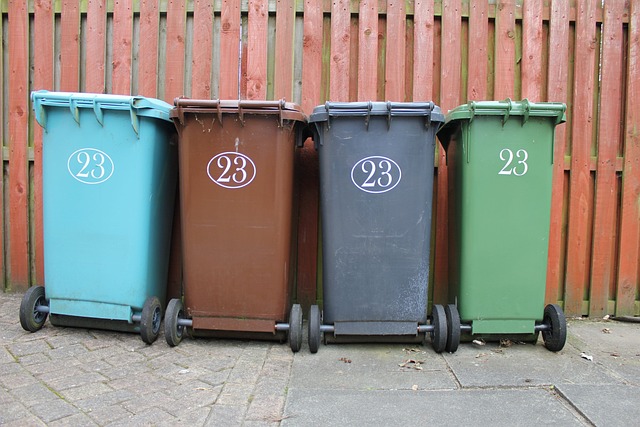
Moreover, consider the unique needs of your property, especially if you have a diverse range of recyclable materials. For commercial properties with multiple types of waste streams, implementing separate collection bins for paper, plastics, glass, and organics can enhance recycling rates. By doing so, you ensure that each material is handled correctly according to the recycling service borrower requirements. Data shows that proper segregation at the source can increase recycling rates by up to 30%, highlighting the significant impact of individual efforts on overall sustainability goals.
Implementing a Comprehensive Recycling Strategy

Implementing a comprehensive recycling strategy is an essential step for property owners looking to integrate sustainability into their operations. A well-designed recycling service can significantly reduce waste sent to landfills, conserve natural resources, and even lead to cost savings. The key lies in understanding not just what materials are recyclable but also how to educate occupants and staff on proper sorting and participation.
A successful recycling program begins with assessing the property’s unique needs and available resources. This involves identifying the types of recyclables generated—from paper and plastic to glass and metal—and evaluating space constraints for storage and collection points. For larger properties, employing dedicated recycling stations in common areas and providing clear signage can facilitate participant engagement. Smaller residential units may opt for a more centralized system, with designated bins for each type of recyclable placed conveniently throughout the building.
One critical aspect to consider is ensuring compliance with local recycling service borrower requirements. These regulations vary by region, dictating acceptable materials, collection schedules, and sorting protocols. Property owners should stay informed about these guidelines and educate their occupants accordingly to avoid penalties and maximize recycling rates. For instance, many areas mandate the separation of certain plastics, glass, and paper products, emphasizing the importance of consumer responsibility in the recycling process.
Data supports the positive environmental impact of robust recycling programs. According to recent studies, proper recycling can divert over 70% of waste generated by commercial and residential properties from landfills. By adopting a comprehensive strategy that encourages participant engagement and aligns with local regulations, property owners can contribute significantly to a more sustainable future, ensuring their recycling service not only benefits the environment but also enhances the reputation of their properties.
Maximizing Benefits: Tips from Experts on Recycling Service
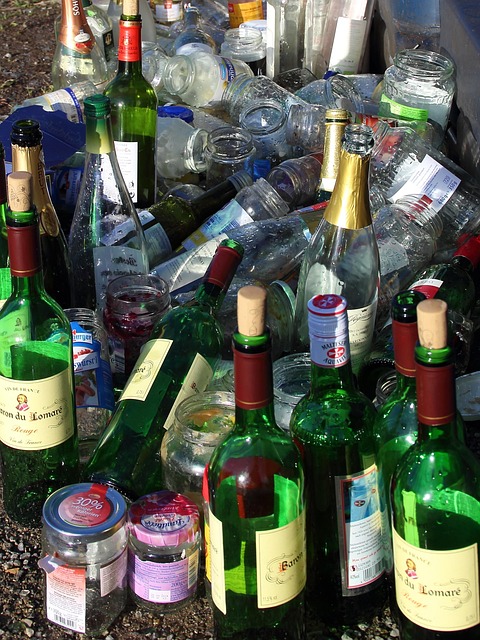
Maximizing the benefits of recycling service for your property requires a strategic approach that goes beyond mere waste diversion. As experts in sustainable practices, we offer invaluable insights to help property owners optimize their recycling efforts and contribute significantly to environmental preservation. One key aspect often overlooked is understanding the intricate relationship between recycling service efficiency and borrower requirements.
Proper segregation of recyclables according to local guidelines is fundamental. Many regions have specific rules regarding what can be recycled, and adhering to these ensures that your efforts are not only effective but also support the local recycling infrastructure. For instance, certain materials like plastic bags, foam, and certain types of packaging should be avoided in mixed recyclables as they often contaminate batches, rendering them unusable. By educating yourself about local recycling service borrower requirements, you can ensure higher quality recycled materials enter the supply chain, enhancing the overall environmental impact.
Moreover, maximizing space for recycling collection points on your property is essential. This involves strategic placement of bins and containers to facilitate easy sorting and access by both residents and recycling service providers. Adequate space ensures consistent availability of recyclable materials, allowing for more frequent collections and reducing the time between waste generation and processing. A well-organized recycling system not only benefits the environment but also promotes a positive image of responsible property management among tenants or occupants.
Lastly, stay informed about technological advancements in recycling processes and materials. The industry is continually evolving with innovative solutions to improve efficiency and reduce environmental impact. Staying abreast of these developments allows you to make informed decisions when selecting recycling service providers and implementing new systems. Whether it’s adopting high-tech sorting machinery or exploring closed-loop recycling for specific materials, keeping up with advancements can significantly enhance the overall effectiveness of your recycling service.