Understanding local recycling service regulations and practices is crucial for effective home sustainability. Homeowners should familiarize themselves with acceptable materials (e.g., newspapers, glass, metal, food scraps), proper segregation, and community guidelines. Engaging actively ensures efforts align with environmental goals, reducing waste sent to landfills by up to 70%. Common mistakes include mixing recyclables with non-recyclables and failing to clean items properly. Advanced recycling options for electronics and hazardous materials further enhance sustainability. Educating family members and integrating recycling into daily routines promotes consistent practice, contributing to a greener future.
In today’s world, where environmental concerns are at the forefront of public discourse, efficient waste management through recycling services has become a household responsibility. For homeowners, navigating the complexities of recycling can be daunting, often leading to confusion and non-compliance with local regulations. This article aims to demystify the process by offering a comprehensive guide to understanding and implementing effective recycling practices within your home. We’ll delve into the practical aspects, highlighting the benefits and challenges, and provide actionable strategies for optimal participation in recycling services.
Understanding Your Local Recycling Service
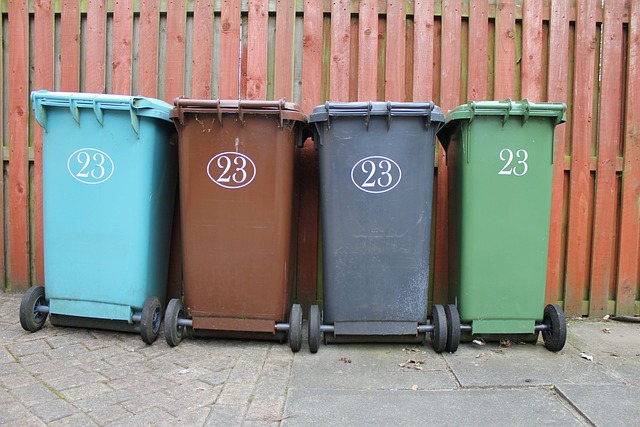
Understanding your local recycling service is a crucial step for homeowners looking to integrate sustainable practices into their daily lives. Recycling services vary widely across regions, each with its own set of regulations, collection schedules, and acceptable materials. Knowing what your local service offers and how it operates can significantly enhance your ability to recycle effectively. For instance, in some areas, recycling services provide specialized bins for different types of waste, while others require residents to separate items at the source.
One key aspect to consider is the recycling service borrower requirements. Many services require homeowners to register or subscribe, providing clear benefits and responsibilities. Registration typically involves creating an account on the municipality’s website or filling out a form, which may entitle you to scheduled collections and potentially reduce waste disposal fees. It’s essential to understand these requirements beforehand to avoid any disruptions in your recycling efforts. For example, some services mandate specific labeling guidelines for recycling bins, ensuring easy identification during collection.
Furthermore, being aware of what materials are accepted by your local service is paramount. Common recyclables include paper products, plastic bottles and containers, glass, metal cans, and certain types of electronics. However, not all services carry the same capacity for these items. Some may have restrictions on plastics, requiring residents to check for specific recycling codes or avoid certain types altogether. Data from recent studies shows that proper segregation and understanding of local guidelines can significantly increase the amount of material recycled, thereby reducing environmental impact.
Actionable advice for homeowners includes familiarizing themselves with their local service’s website or contacting their waste management department for detailed information. Keeping a reusable guide or checklist of acceptable recyclables on hand can be helpful as well. Regularly reviewing updates and changes to recycling policies is also recommended, as these services continually evolve to meet sustainability goals. By proactively engaging with your local recycling service, you not only contribute to a cleaner environment but also ensure that your efforts are aligned with the specific needs of your community.
What Can Be Recycled at Home

Homeowners interested in enhancing their environmental footprint can achieve significant impact by understanding what can be recycled at home through a robust recycling service. This isn’t merely about separating paper and plastic; it involves recognizing the diverse range of materials that can be given new life, reducing waste sent to landfills, and contributing to a circular economy.
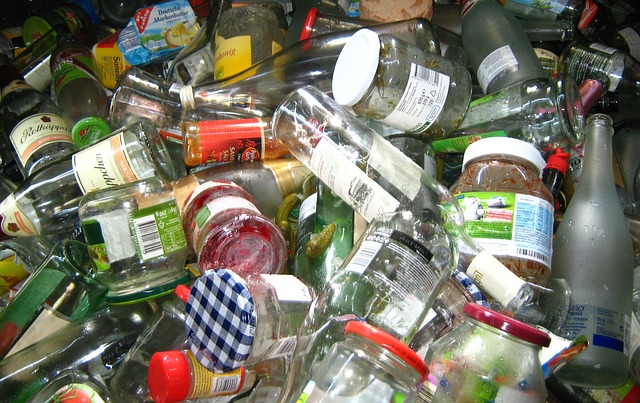
Paper products like newspapers, magazines, cardboard boxes, and even junk mail are among the most commonly recycled items at home. Plastic containers, bottles, and packaging also have high recycling potential, though it’s crucial to check local guidelines on specific types and numbers (e.g., PET, HDPE) as they vary by region. Glass bottles and jars, metal cans, and food scraps can also be recycled through many municipal services.
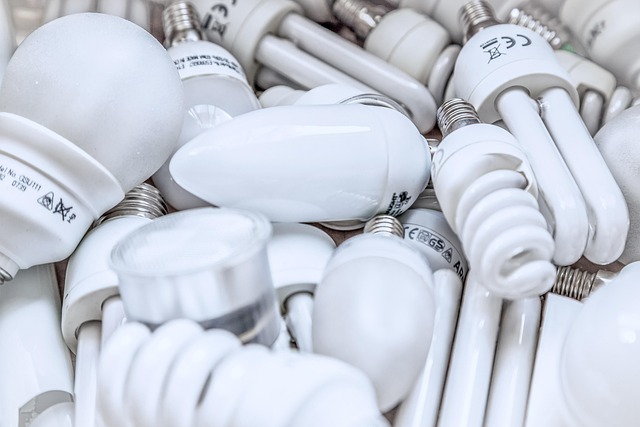
Electrical items, often overlooked but significant contributors to waste, are another key area for homeowners. Old electronics like computers, phones, batteries, and small appliances should be recycled responsibly through specialized programs or drop-off centers. These materials contain valuable resources that can be extracted and reused, preventing the need for mining virgin resources.
To optimize your recycling service at home, educate yourself on local guidelines regarding recycling service borrower requirements, such as bagging or not bagging recyclables, and what materials are accepted in your area. Many communities offer comprehensive online resources to guide residents through the process. By embracing these practices, homeowners can make a tangible difference, contributing to a cleaner environment and a more sustainable future for all.
Setting Up a Sustainable Recycling System

Setting up an effective recycling service at home is a significant step towards adopting a more sustainable lifestyle. Homeowners can significantly reduce their environmental footprint by implementing proper waste management practices. The first step involves understanding the various types of materials that can be recycled and creating designated areas for collection. For instance, many local recycling services require separate bins or bags for paper, plastic, glass, and metal—a simple yet effective method to ensure proper sorting.
A practical approach is to familiarize yourself with your area’s recycling service borrower requirements. These guidelines often include specific material categories, sizes, and cleaning standards. For example, some services may mandate that food waste be disposed of in a separate organic bin, while others might request that all recyclables be rinsed to prevent contamination. Adhering to these requirements ensures that your materials are accepted and processed efficiently. According to recent studies, proper recycling practices can divert over 70% of household waste from landfills, highlighting the significant impact individual efforts can have.
Once you’ve understood the basics, it’s time to design a system tailored to your home. Consider the flow of recyclables—from their source within your home to the collection point. Utilizing clear containers or bags with labels can simplify this process and make it more user-friendly. Additionally, educating family members or roommates about the importance of recycling and how to participate will ensure consistent practice. As you establish your system, keep in mind that a successful recycling service is not just about convenience but also about long-term sustainability, contributing to a greener future for all.
Common Recycling Mistakes to Avoid

Many homeowners are increasingly aware of their environmental impact and the importance of recycling service as a crucial step towards sustainability. However, navigating the process effectively is where many run into common pitfalls. Understanding these mistakes is essential to ensure your recycling efforts make a meaningful difference. One significant blunder is mixing recyclable items with non-recyclables—a simple yet critical consideration in any recycling service borrower’s mind. For instance, contaminants like plastic bags, foam, and certain types of glass can render an entire batch unrecyclable. This not only defeats the purpose but also causes unnecessary strain on local facilities.
Another mistake is failing to clean recyclables properly. Food residue or soiled materials should be thoroughly washed before placement in recycling bins. This measure prevents odors, attracts pests, and ensures that recycled items maintain their quality. For example, dirty plastic containers or paper products with food remnants can lead to a contaminated batch, rendering them unusable for further processing. It’s worth noting that many local recycling services have specific guidelines regarding what constitutes clean recyclables, so borrowers should familiarize themselves with these requirements.
Moreover, not knowing which items are recyclable in your area is a common barrier to effective recycling. Different regions have distinct recycling programs and capabilities. What’s recyclable in one city might not be accepted in another. Homeowners should stay informed about local regulations, check their council’s website for guidelines, or contact their recycling service provider directly. This proactive step ensures that efforts are aligned with the community’s specific needs and available infrastructure, enhancing the overall effectiveness of recycling initiatives.
The Environmental Impact of Home Recycling

Recycling is a powerful tool in the fight against climate change, offering significant environmental benefits to homeowners who embrace it. The process of transforming waste into reusable materials reduces the demand for new resource extraction and manufacturing, which are often energy-intensive and produce substantial greenhouse gas emissions. For instance, recycling aluminum cans saves up to 95% of the energy required to produce new ones, while recycling paper helps preserve forests and reduce soil erosion.
Homeowners who integrate a comprehensive recycling service into their routines can make a tangible difference. However, understanding the specific recycling service borrower requirements is essential for effective participation. These include separating materials like paper, plastic, glass, and metal, ensuring items are clean and dry, and adhering to local collection schedules. Many areas offer curb-side pickup services, making it convenient for residents to contribute without significant effort. By meeting these basic requirements, homeowners can ensure their recycled materials are properly processed and directed towards new applications.
Furthermore, exploring advanced recycling options available through specialized services can enhance environmental impact. These include recycling programs that handle electronic waste, batteries, and hazardous materials safely and responsibly. Such initiatives prevent toxic substances from entering landfills or contaminating soil and water bodies, addressing a growing concern in the digital age. As consumers demand more sustainable solutions, recycling service providers are responding with innovative approaches, encouraging homeowners to stay informed about local offerings and actively participate in these eco-friendly practices.
Regularly reviewing and updating recycling habits is crucial to staying aligned with environmental goals. Homeowners should remain vigilant about which materials their local services accept, as guidelines can evolve over time. Embracing a mindset of continuous improvement fosters a culture of sustainability within communities. By combining simple compliance with advanced recycling options, homeowners can contribute significantly to a greener future, demonstrating that personal actions, when aggregated, have profound environmental impact.
Tips for Encouraging Family Recycling Habits

Encouraging family recycling habits is a multifaceted endeavor that requires both education and facilitation. As a starting point, it’s crucial to demystify the recycling service for homeowners, presenting it as an accessible and beneficial part of daily life rather than a confusing task. A practical approach involves simplifying the process and ensuring that everyone in the household understands their role. This can be achieved by clearly communicating local recycling guidelines and providing resources that outline what is recyclable through your area’s specific recycling service.
For instance, many communities have online guides or apps detailing acceptable materials and proper sorting techniques. Involving children in this learning process can spark curiosity and foster a sense of responsibility. Regular family discussions about the environmental impact of waste reduction reinforce these habits. Additionally, setting clear goals, such as achieving a certain recycling rate each week, can provide a tangible measure of progress and motivate participation.
Implementing practical tips like designating specific areas for recyclables—a dedicated bin in each room—makes sorting intuitive. Encouraging the use of reusable containers for food scraps and other materials further reduces reliance on single-use items. Moreover, involving the whole family in these efforts ensures that recycling becomes a shared responsibility and a habit deeply ingrained in the household routine. By making it a collaborative and educational experience, families can contribute significantly to their community’s overall recycling service efficiency, meeting borrower requirements for responsible waste management.