The text emphasizes the environmental benefits of comprehensive recycling services, including reduced landfill waste, natural resource conservation, and energy savings. Key materials for recycling are highlighted, and strategic planning is crucial for effective residential recycling. Adoption, technology, and public education are vital for successful programs, aiming to reduce waste, conserve resources, and minimize greenhouse gas emissions. Recycling services play a key role in sustainability promotion, with individual actions complementing systemic changes for an eco-friendly future.
In today’s world, responsible waste management is a pressing concern for communities worldwide. For homeowners, navigating effective recycling practices can be overwhelming, often leading to improper disposal and environmental harm. This article aims to demystify the process by offering an in-depth guide to understanding and implementing a comprehensive recycling service. We will delve into the benefits, challenges, and practical steps involved, empowering homeowners to make informed choices that contribute to a greener, more sustainable future. By the end, readers will possess the knowledge to transform their recycling efforts from mundane tasks into meaningful acts of environmental stewardship.
Understanding Your Recycling Service Options at Home
The Step-by-Step Guide to Effective Residential Recycling

Implementing an effective residential recycling service is a multifaceted endeavor that requires strategic planning and consistent execution. Homeowners interested in adopting a robust recycling practice should begin by understanding their local recycling service offerings and borrower requirements. This involves researching what materials are accepted, collection schedules, and any fees or guidelines set by the service provider. For instance, many municipalities offer curbside recycling programs with specific rules on item sorting and contamination prevention.
Next, residents must categorize their waste stream into recyclable, compostable, and non-recyclable components. A step-by-step guide to this process involves identifying materials like paper, cardboard, glass, metal cans, and plastic containers as potential recyclables. Organic scraps and food waste are suitable for composting, while items containing hazardous materials or those not listed by the recycling service as accepted should be disposed of responsibly. For instance, electronic waste requires specialized handling due to its toxic components. Homeowners can refer to their local recycling service borrower requirements for detailed guidance on these specifics.
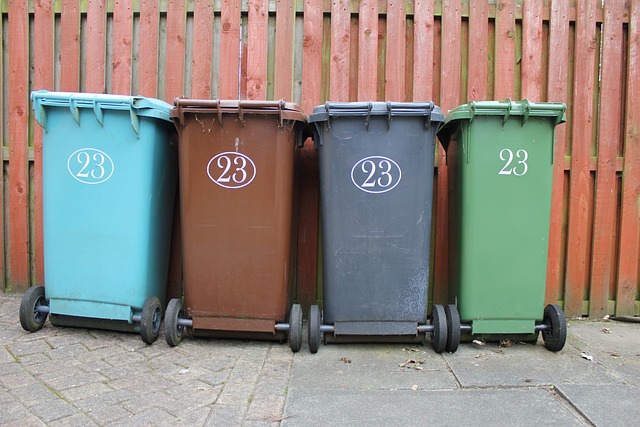
Once categorization is complete, setting up designated collection areas within the home streamlines the process. Separate bins or containers for recyclables, compost, and trash ensure materials are easily identifiable and accessible for collection days. Many households find it helpful to label each container clearly, using simple signage that communicates what goes where. This visual aid not only simplifies sorting but also minimizes contamination, a common challenge in residential recycling efforts. By adhering to their local recycling service borrower requirements and adopting these practical steps, homeowners can significantly contribute to sustainable practices while reducing environmental impact.
Maximizing Benefits: Tips for Successful Home Recycling Practices