Understanding local recycling service guidelines is essential for effective waste management. Adhering to collection schedules, sorting protocols, and requirements reduces missed collections and enhances recycling impact. Key practices include educating yourself on acceptable materials, proper sorting, and composting. Responsible recycling services dispose of electronics and hazardous materials safely. Maximize recycling at home by meeting service requirements, sorting, staying informed, and composting to reduce environmental impact and contribute to a sustainable future.
With increasing environmental concerns, understanding and effectively participating in recycling has become a significant responsibility for all of us, particularly homeowners. The complex landscape of recycling can be challenging to navigate, with confusion often arising from inconsistent local practices and a lack of clear, comprehensive guidance. This article provides a practical analysis of recycling services tailored for homeowners, offering insights into how to optimize their recycling efforts. By the end, readers will have a clear understanding of the process, the benefits, and the steps to implement an efficient recycling service at home.
Understanding Your Local Recycling Service
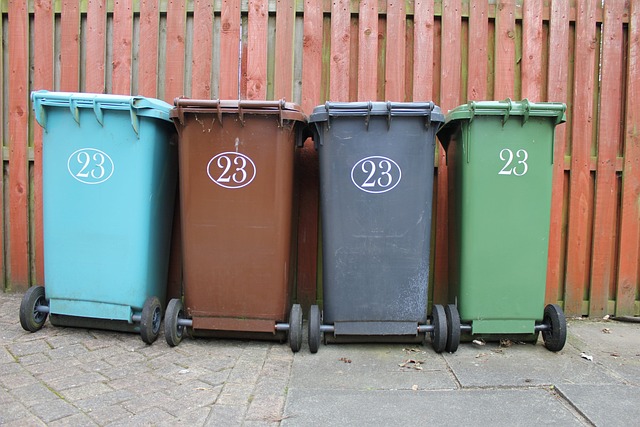
Understanding your local recycling service is crucial for effective waste management as a homeowner. Each municipality operates its recycling service differently, with varying collection schedules, acceptable materials, and borrower requirements. For instance, some areas require residents to separate recyclables into specific categories like paper, plastic, glass, and metal, while others provide single-stream recycling where all materials can be combined. Knowing your local guidelines ensures your efforts align with the service’s capabilities.
Recycling service borrower requirements often involve specific container sizes, proper sorting, and adherence to collection days. For example, a common requirement is to place recyclables in approved containers, clearly marked with the resident’s name, and set them out at the curb on designated collection days. Failure to meet these requirements can lead to missed collections or additional effort on the part of the service provider. Understanding and adhering to these guidelines are essential to ensure your recycling efforts are both effective and efficient.
Data suggests that proper recycling practices can significantly reduce the amount of waste sent to landfills, conserves natural resources, and saves energy. For homeowners, this means not only contributing to environmental sustainability but also potentially reducing their carbon footprint. However, it’s important to note that not all materials are recyclable, and understanding what is acceptable in your area is key. By educating yourself on your local recycling service and its borrower requirements, you can maximize your positive impact on the environment.
Sorting Household Waste for Efficient Recycling

Recycling is a crucial aspect of responsible homeownership, and efficient sorting of household waste is the first step towards a successful recycling service. Homeowners can significantly reduce their environmental impact by implementing proper waste segregation practices. The key lies in understanding what materials are recyclable and how to categorize them correctly. This structured approach ensures that recyclables are processed effectively, maximizing the benefits of a recycling service.
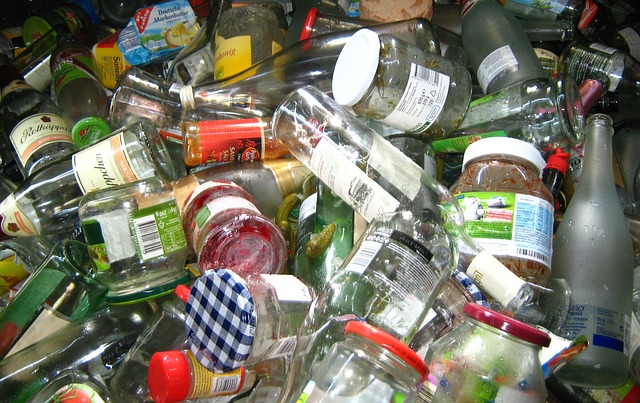
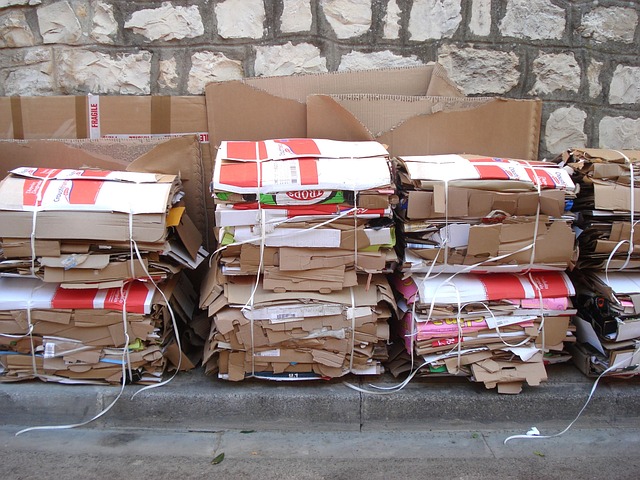
For instance, paper products, such as newspapers, magazines, and office paper, should be separated from plastic, glass, and metal. Similarly, food scraps and garden waste are best composted, diverting them from the general waste stream. Many recycling services have specific requirements, and borrowers should be aware of these to ensure their efforts are not hindered. For example, some services mandate that materials be clean and dry, and certain types of plastic may not be accepted. Understanding these borrower requirements is essential for successful participation in any recycling service.
Furthermore, the recycling landscape is constantly evolving, with new materials becoming recyclable and technology enhancing processing methods. Homeowners should stay informed about local recycling guidelines and the latest advancements. This proactive approach not only contributes to a cleaner environment but also fosters a sense of involvement in the community’s sustainability efforts. By adopting these practices, homeowners can actively participate in the recycling process, making their homes and neighborhoods more eco-friendly.
Setting Up a Home Composting System
Setting up a home composting system is a practical and eco-friendly way to reduce waste and contribute to a more sustainable lifestyle. Composting allows homeowners to recycle natural materials from their kitchen and garden, transforming them into nutrient-rich soil amendments. This process not only minimizes the amount of waste sent to landfills but also provides a cost-effective and organic alternative for gardening and landscaping. According to the Environmental Protection Agency (EPA), composting can divert up to 13% of municipal solid waste from landfills, reducing greenhouse gas emissions and conserving valuable resources.
The first step in setting up a composting system is to choose a suitable container. Homeowners have a variety of options, from simple plastic bins to more sophisticated tumblers. The size and type of container depend on the amount of organic waste generated and personal preferences. For smaller households, a basic plastic bin can be an affordable and effective solution. Larger families or those with extensive gardening may benefit from a more robust tumbler that facilitates faster decomposition. Once the container is selected, it’s crucial to consider the location. A sunny, well-ventilated area is ideal, as it promotes air circulation, essential for the composting process.
To ensure a successful recycling service naturally, homeowners should maintain a balance of green and brown materials in their compost piles. Green materials, such as vegetable scraps, coffee grounds, and grass clippings, are rich in nitrogen and encourage bacterial growth. Brown materials, including dry leaves, wood chips, and shredded paper, provide carbon. Maintaining a 1:1 to 2:1 ratio of carbon to nitrogen is key to efficient decomposition. Additionally, regular turning of the compost pile accelerates the process, introducing oxygen and preventing odors. By following these simple steps and maintaining a consistent supply of organic materials, homeowners can easily set up and manage a composting system, contributing to a more sustainable future while enhancing their gardening efforts.
Responsible Disposal: Electronics and Hazardous Materials

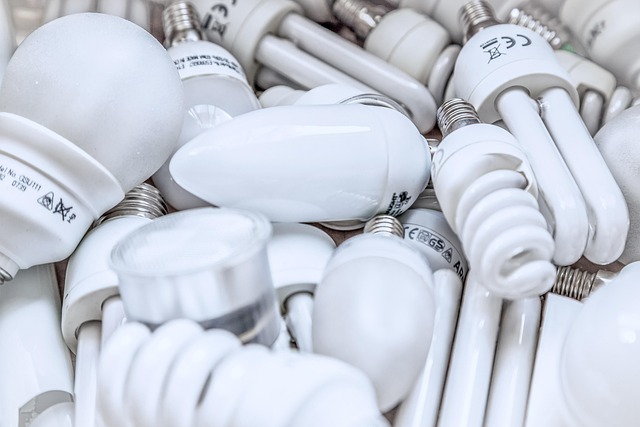
Responsible disposal of electronics and hazardous materials is a crucial component of any comprehensive recycling service. Homeowners often face challenges when it comes to getting rid of e-waste and potentially harmful substances found in common household products. A proper recycling service not only facilitates this process but also ensures that these materials are handled in an environmentally friendly manner. For instance, electronic devices like computers, phones, and TV sets contain materials such as lead, mercury, and cadmium, which can cause significant environmental and health damage if not disposed of correctly.
Many recycling services have specific requirements for electronic waste to ensure proper treatment. These requirements often include separating different types of electronics, such as batteries, capacitors, and metals, to facilitate efficient recycling processes. Borrower obligations in this regard are clear: they must ensure that electronics are de-connected from power sources and, in some cases, disassembled to make them easier to recycle. For example, a study by the EPA found that proper recycling of electronic devices can recover valuable materials worth millions of dollars annually, while improper disposal leads to environmental contamination.
Hazardous materials, commonly found in cleaning products, pesticides, and even some types of paints, require special care during disposal. Recycling services often collaborate with local waste management facilities to ensure these materials are treated according to stringent environmental regulations. Homeowners can play their part by checking product labels for hazard symbols and adhering to local guidelines for disposing of such substances. A responsible recycling service not only educates its borrowers on these requirements but also provides convenient drop-off points or pick-up services, making it easier for homeowners to contribute to a cleaner, more sustainable environment.
Maximizing Recycling: Tips for Daily Practice

Maximizing recycling at home is a powerful way to contribute to a sustainable future, and an essential aspect of many successful recycling services. Homeowners can significantly reduce their environmental footprint by adopting simple, everyday practices. One key strategy is to understand and meet the recycling service borrower requirements, ensuring that materials are properly sorted and prepared. For instance, many services mandate that items be rinsed and free from contaminants like food residue or plastic wrap, preventing potential pollution and improving the quality of recycled materials.
A practical approach involves creating dedicated spaces for sorting recyclables, such as a designated bin for paper, plastic, glass, and metal. This systematic method, combined with regular cleaning and maintenance, can prevent cross-contamination and ensure that materials are accepted by the recycling service. For example, a study found that households with separate bins for different recyclables recycle 25% more than those without. Furthermore, staying informed about local recycling guidelines and what specific recycling service accepts is crucial. Many services have online resources or apps that provide detailed instructions, making it easy for homeowners to comply with borrower requirements.
Composting is another valuable practice often integrated into comprehensive recycling services. Organic waste, like food scraps and yard trimmings, can be transformed into nutrient-rich compost, reducing the amount of waste sent to landfills. By embracing these practices, homeowners not only contribute to the preservation of natural resources but also play a vital role in creating a more sustainable and eco-friendly community.