
Homeowners embracing sustainability must understand local recycling service guidelines, varying by region. Adhering to specific container types, labeling, and sorting rules ensures effective contribution. Partnering with waste management companies expands recycling options, including electronic waste. Key practices include cleaning materials, proper sorting, dedicated home organization, and educating family members for responsible recycling. Regularly reviewing local guidelines maximizes benefits, preventing contamination and ensuring accessibility for collections. Proper sorting can significantly increase recycled material, enhancing the overall effectiveness of the community's recycling service.
In today’s world, homeowners are increasingly conscious of their environmental impact. Recycling services have emerged as a powerful tool to mitigate waste and promote sustainability. However, navigating the complexities of recycling can be daunting for many. This article provides an authoritative analysis, offering practical insights into how homeowners can effectively utilize recycling services. We’ll explore common challenges, dispel myths, and present actionable strategies to optimize your recycling efforts. By the end, you’ll be equipped with the knowledge to make informed decisions, ensuring a positive environmental impact while contributing to a greener future.
Understanding Your Local Recycling Service
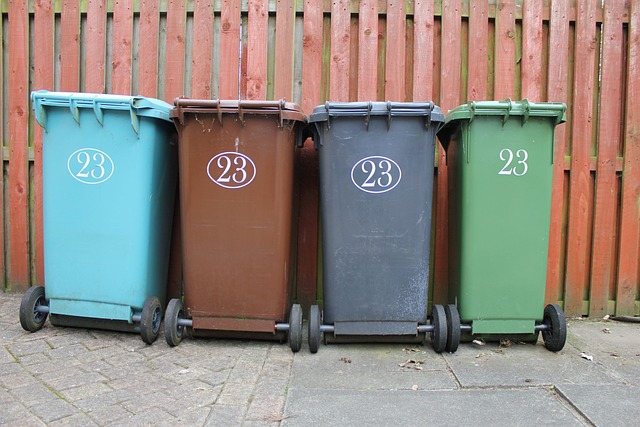
Understanding your local recycling service is a crucial step for homeowners looking to adopt sustainable practices and reduce their environmental footprint. Recycling services vary greatly across regions, with each municipality often having its own set of guidelines and collection schedules. The first step in effective recycling is to familiarize yourself with these local programs, as they dictate what materials are accepted and how they should be sorted. For instance, some areas require specific types of plastic containers, while others might collect organic waste separately.
Homeowners should also understand the borrowing requirements for recycling services. This includes knowing the sizes and types of bins provided by your local authority or private recycling companies. These regulations ensure efficient collection and processing of recyclables, maximizing the environmental benefits. For example, some areas mandate that residents use designated recycling containers with specific labels, ensuring proper sorting at the source. By adhering to these guidelines, homeowners can contribute to a well-functioning recycling ecosystem.
Furthermore, being aware of local initiatives and partnerships can enhance your recycling efforts. Many regions collaborate with private waste management companies to provide specialized services, such as electronic waste collection or hazardous material disposal. These additional services expand the range of materials that can be recycled responsibly. Staying informed about these programs allows homeowners to take advantage of comprehensive recycling options, ensuring they meet their environmental responsibilities effectively.
Preparing Household Items for Recycling

Preparing household items for recycling is an essential step in the process of utilizing a recycling service, especially for homeowners looking to reduce their environmental impact. Many items that end up in landfills could be recycled, but proper preparation is key. This includes cleaning and sorting materials according to local recycling guidelines. For instance, plastic containers and bottles should be rinsed to remove food residue, while paper products must be free of contaminants like grease or dirt.
Understanding the recycling service borrower requirements is crucial. Different materials have specific processing needs. Metals, for example, often require shredding to separate them into reusable forms. Textiles might need sorting by type and condition. Some services even accept electronics and appliances, which require specialized handling due to their complex components. Homeowners should check with their local recycling centers or service providers to learn about these requirements, ensuring that items are prepared appropriately for collection or drop-off.
A practical approach involves creating a system for collecting and separating recyclables. Designate specific containers for different types of materials, clearly labeling each. Regularly clean and maintain these containers to prevent contamination. Additionally, educating household members about the importance of recycling and how it contributes to a more sustainable future can foster a sense of responsibility. This collective effort ensures that recyclable items are prepared and ready for collection, maximizing the benefits of having a recycling service.
Setting Up Efficient Recycling at Home

Setting up efficient recycling at home is a multifaceted process that requires a deep understanding of local recycling service offerings and personal commitment to sustainability. Homeowners can significantly reduce their environmental footprint by adopting a structured approach to recycling. The first step involves familiarizing oneself with the local recycling service, its accepted materials, and specific borrower requirements. Many regions have comprehensive recycling programs, but each may have unique guidelines on what items are recyclable, such as plastics, papers, glass, and metals. Understanding these nuances is crucial for effective participation in the recycling service.
Once equipped with this knowledge, homeowners can organize their homes for maximum efficiency. Designated areas for separate collection of recyclables—paper, plastic, glass, and metal—can streamline the process. Clear labeling of bins and containers, along with regular cleaning, ensures that recyclable materials remain uncontaminated. This step is vital as mixing recyclables can render them unusable, defeating the purpose of recycling service efforts. For instance, a study by the Environmental Protection Agency (EPA) showed that proper sorting can increase the amount of materials recycled by up to 30%.
Moreover, educating family members about responsible recycling practices is essential. Encouraging everyone to participate and understand their role in the process fosters a culture of sustainability within the household. Regular reviews of local recycling service borrower requirements ensure compliance and help identify any changes in guidelines. By integrating these steps into daily routines, homeowners can contribute significantly to the overall effectiveness of the recycling service in their community.
Maximizing the Benefits of Recycling Service

Maximizing the benefits of recycling service starts with understanding its borrower requirements. Homeowners interested in utilizing this eco-friendly option must be aware that recycling services typically expect source separation—a process where materials like paper, plastic, glass, and metal are sorted from general waste. This step is crucial as it ensures that recyclables are processed efficiently, preserving the quality of future products made from recycled materials. For instance, mixed recyclables can often contaminate batches, rendering them unusable, which defeats the purpose of recycling.
A key aspect to remember when engaging a recycling service is the types of materials accepted. While many services cater to common household recyclables, some may have specialized collections for items like electronics, batteries, and hazardous waste. Understanding these variations in borrower requirements ensures that homeowners can prepare their waste accordingly, maximizing the service’s effectiveness. Data from leading recycling programs suggests that proper sorting and preparation can increase the amount of material recycled by up to 30%.
Additionally, timing and accessibility play significant roles in leveraging a recycling service to its full potential. Many services offer regular collections, typically weekly or bi-weekly, so scheduling waste production during these periods can enhance convenience. Homeowners should also ensure that their property is accessible for collection vehicles. Clear communication with the recycling service provider about any specific requirements—such as placing bins at the curb or providing specific types of containers—is essential to avoid delays and ensure a seamless experience.