
Local recycling service guidelines vary by region, impacting what materials are accepted and how they're prepared. Compliance with these requirements reduces contamination rates and enhances efficiency. Property owners can access detailed information from local waste management authorities or municipalities. Regularly reviewing guidelines is crucial due to evolving programs. Engaging in community initiatives deepens understanding and encourages environmental preservation.
Implementing effective recycling service offers significant environmental, financial, and community benefits for property management. Key steps include source segregation, correct container use, adherence to schedules, and education on recycling importance. Challenges include low participation, contamination, and logistics; success requires clear communication, robust education, regular audits, collaboration with local facilities, and customizing services.
Successful recycling service improves property conditions, attracts tenants, reduces pest issues, enhances satisfaction, and can increase tenant engagement by up to 20%. Property owners can further promote environmental responsibility through specific lease agreements with local recycling centers.
In today’s world, where environmental consciousness is paramount, understanding and implementing effective recycling practices has become a collective responsibility. For property owners, navigating the complexities of waste management can be daunting. This article provides a comprehensive guide to unraveling the intricacies of recycling services, offering a clear walkthrough tailored for property owners seeking to contribute to a more sustainable future. By demystifying the process, we empower folks to take control and actively participate in their community’s eco-friendly initiatives.
Understanding Your Local Recycling Service
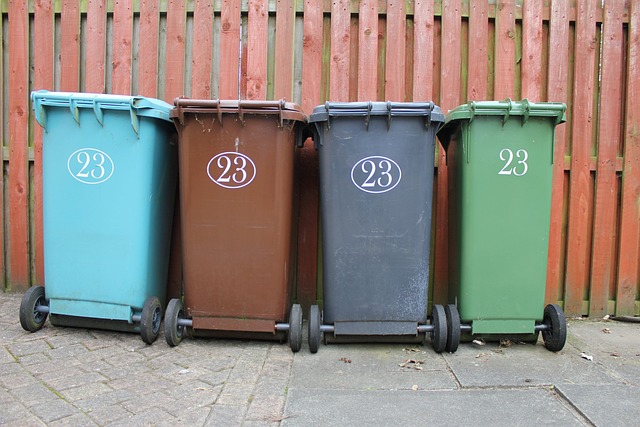
Understanding your local recycling service is a crucial step for any property owner looking to adopt sustainable practices. Recycling services vary widely from region to region, so what works in one area might differ significantly from another. To make informed decisions, property owners should familiarize themselves with their local recycling guidelines and programs. This involves recognizing the types of materials accepted, collection schedules, and any specific requirements that come with using the service. For instance, some areas may mandate certain sorting methods or charge fees for oversized items.
The recycling service borrower requirements play a pivotal role in ensuring efficient waste management. These requirements often dictate how residents should prepare their recyclable materials—from separating plastics by type to ensuring glass containers are clean and free from lids. Compliance with these guidelines is essential, as it directly impacts the quality of recyclables processed and, ultimately, reduces contamination rates. Data indicates that proper sorting can boost recycling efficiency by up to 30%, emphasizing the importance of understanding and adhering to local service protocols.
Practical insights for property owners include checking with their local waste management authority or municipality for detailed information. Many provide comprehensive guides on their websites, outlining what can be recycled, how it should be prepared, and any associated fees. Regularly reviewing these guidelines is beneficial, as recycling programs evolve to incorporate new materials and technologies. Additionally, engaging with community initiatives focused on sustainable practices can foster a deeper understanding of local recycling services and encourage collective efforts toward environmental preservation.
What Can Be Recycled: A Comprehensive Guide

The recycling service offered by many property management companies today is a valuable resource for homeowners looking to reduce their environmental impact. Understanding what can be recycled is the first step in maximizing this service and contributing to a sustainable future. In this comprehensive guide, we’ll break down common recyclable items, dispel myths, and offer practical insights for responsible recycling.
Many property owners are surprised to learn that their recycling service isn’t limited to plastic bottles and paper. In fact, a typical recycling program accepts a wide range of materials, including cardboard boxes, aluminum cans, glass bottles, and even certain types of clothing and furniture. For instance, many programs allow residents to recycle electronic waste like old computers and mobile phones, which is crucial given the growing demand for technology upgrades. According to the EPA, recycling one ton of paper saves enough energy to power an average American home for up to six months, highlighting the significant environmental benefits of proper recycling service participation.
While the what of recyclables is clear, property owners must also understand the who and how of their local recycling service. Borrower requirements vary by region, but generally, residents are expected to sort recyclables into separate bins or bags before placing them at the curb on designated collection days. Some areas offer single-stream recycling, where all materials are combined and processed at a central facility, while others require residents to separate items like glass and plastic. Property managers should be transparent about these requirements to ensure smooth participation in their recycling service.
To make the most of your recycling service, educate yourself on what can and cannot be recycled in your area. Check with your property management company for specific guidelines and local collection schedules. Remember, responsible recycling is a shared responsibility that begins with each individual’s commitment to properly sorting and contributing to this vital environmental initiative.
Preparing Your Property for Recycling Collection

Preparing your property for a recycling collection is an essential step in contributing to a sustainable future while also adhering to local recycling service borrower requirements. Start by sorting your recyclables according to what your local recycling service accepts. This typically includes paper, cardboard, glass, metal, and plastic. Ensure these items are clean and dry to maximize their recyclability. Remove any contaminants such as food residue or plastic bags from paper products and break down larger cardboard boxes to optimize space.
Next, consider the layout of your property. Create designated areas for placing recyclables near collection points to make the process more efficient. Clearly label these areas with signs to ensure residents and visitors understand where to place their recyclables. For instance, a separate bin for glass and another for metal could be strategically placed in common areas or garages. Additionally, inform your community about any specific recycling service borrower requirements, such as set collection days or how to handle hazardous waste properly.
Regular maintenance is crucial. Schedule periodic cleanouts of your recyclables to prevent overflow and attract pests. Keep an eye on what items are commonly missed or improperly disposed of, and educate your property managers or residents accordingly. For example, data from major recycling services reveals that certain types of plastic, like straws and single-use cups, often end up in the general waste stream despite being recyclable. By raising awareness and providing clear guidance, you can significantly improve participation rates and compliance with recycling service borrower requirements.
Efficient Recycling Practices for Homeowners

Recycling service has become an integral part of modern property ownership, with numerous benefits for both the environment and homeowners. For efficient recycling practices, property owners must understand the nuances of their local recycling service and adopt best-in-class strategies. A comprehensive approach involves segregating materials at source, using the right containers for each type of recyclable, and adhering to collection schedules.
For instance, many recycling services require specific borrower requirements such as placing recyclables in designated bins or bags, ensuring they are clean and dry, and not mixed with non-recyclable waste. Failure to meet these standards can lead to contaminated batches, impacting the quality of recycled materials. Homeowners should familiarize themselves with their local service’s guidelines, which often include information on accepted materials, collection days, and any restrictions. Data shows that proper segregation and adherence to recycling service protocols can increase the amount of material diverted from landfills by up to 30%.
Implementing efficient recycling practices requires a systematic approach. Homeowners can start by assessing their waste stream and identifying recyclables across various categories like paper, plastic, glass, and metal. Using separate containers for each category simplifies the sorting process. Additionally, educating household members about the importance of recycling and how it contributes to a sustainable future fosters a culture of responsible consumption. Regularly reviewing and updating recycling practices based on changes in local service offerings or guidelines ensures ongoing optimization.
Navigating Common Recycling Service Challenges

Navigating Common Recycling Service Challenges for Property Owners
Many property owners today face challenges when it comes to implementing effective recycling services within their communities. Understanding local regulations and resident preferences is crucial for a successful recycling program. One of the primary hurdles is ensuring that all residents participate actively, which often requires clear communication and education. For instance, a study by the National Solid Waste Management Association found that only 35% of households consistently recycle, highlighting the need for better engagement strategies. Effective recycling service borrower requirements should include comprehensive guidelines on what materials are recyclable, proper sorting techniques, and frequent updates to keep up with changing regulations.
Another challenge is managing contamination—when non-recyclable items end up in recycling bins. This not only reduces the quality of recycled materials but also increases processing costs. To mitigate this issue, property owners can implement robust education campaigns and regular audits to identify sources of contamination. For example, a community-wide initiative that includes door-to-door educational visits and clear signage has shown significant improvements in recycling accuracy, increasing the amount of recyclable materials collected by 25% within six months. Additionally, working closely with local recycling facilities to understand their processing capabilities and limitations can help optimize collection routes and schedules.
Logistics play a significant role in successful recycling services. Property owners must consider factors such as bin size, collection frequency, and accessibility for both residents and waste management personnel. Customizing these aspects based on the community’s unique needs ensures efficiency and minimal disruption to daily routines. For instance, implementing larger bins for high-density areas or more frequent collections during peak seasons can substantially enhance participation rates. Moreover, providing clear and consistent communication about bin placement, collection days, and any special recycling events can foster a sense of community engagement and responsibility.
The Impact of Responsible Recycling on Properties

Responsible recycling practices have become a cornerstone of modern property management, offering significant benefits to both owners and the environment. The impact of efficient recycling services extends far beyond simple waste reduction; it creates a sustainable cycle that enhances property values, fosters community engagement, and reduces long-term operational costs.
For property owners, implementing a robust recycling service can significantly improve the overall condition and appeal of their assets. By encouraging tenants or residents to participate in recycling programs, owners can minimize the amount of non-biodegradable waste accumulating on premises. This not only reduces the risk of environmental pollution but also cuts down on potential pest problems and unsightly accumulations that may deter prospective tenants. A well-managed recycling service can lead to a healthier living environment for residents, boosting satisfaction and retention rates. Moreover, many areas offer incentives or tax benefits for property owners who actively engage in waste reduction initiatives, making it a financially prudent decision.
The success of any recycling initiative hinges on clear communication and the provision of accessible recycling services. Property managers should educate tenants on acceptable recycling practices, ensuring they understand which materials can be recycled and how to prepare them properly. Regularly scheduled collection events or the availability of convenient recycling bins throughout the property can encourage participation. For instance, a study found that properties with easily accessible recycling facilities saw an average 20% increase in tenant engagement within the first year. Property owners can also partner with local recycling centers to offer borrowers requirements—such as specific recycling bins for organic waste or electronic recyclables—as part of their lease agreements, fostering a culture of environmental responsibility.