
Integrating a recycling service offers sellers multiple advantages: cost savings on waste disposal, enhanced brand reputation among environmentally conscious consumers, and potential reduction in operating costs. To maximize benefits, sellers should understand service requirements, sort materials correctly, adhere to collection schedules, and educate employees. Efficient recycling involves understanding product recyclability, proper material separation, cleaning, and packaging according to industry standards. Compliance with local regulations and proactive management of recycling practices ensure legal adherence and community sustainability efforts. By implementing robust in-house recycling strategies and partnering with specialized providers, sellers can reduce environmental impact, save costs, and enhance operational efficiency through responsible material disposition.
In today’s world, where sustainability is at the forefront of global discourse, understanding and implementing effective recycling practices has become a strategic imperative for businesses, particularly for online sellers. The vast array of products these platforms facilitate often results in significant waste if not properly addressed. This article serves as a comprehensive guide, offering strategic insights into integrating a recycling service to mitigate environmental impact while enhancing operational efficiency. We’ll explore practical steps and best practices tailored for sellers, ensuring they contribute to a greener future without compromising business success.
Understanding Recycling Service Benefits for Sellers
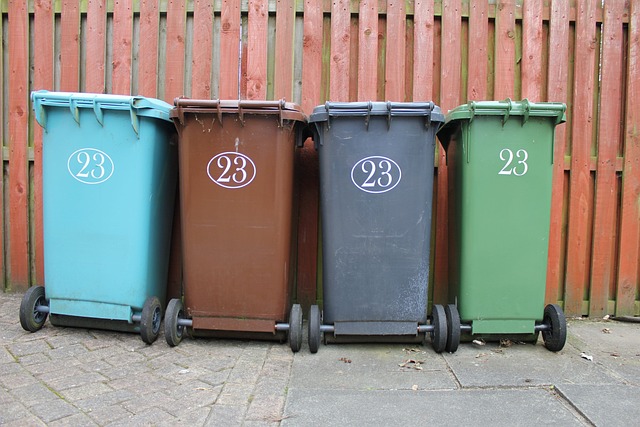
For sellers looking to maximize their operations’ sustainability, integrating a recycling service offers significant advantages. Beyond meeting growing consumer demand for eco-friendly practices, a robust recycling program can enhance a seller’s public image and even lead to cost savings. By understanding the benefits of a recycling service, sellers can make informed decisions about adopting this practice.
One of the primary advantages is the potential for cost reduction. Recycling materials can decrease waste disposal costs, as many recycling services have specific collection and processing programs that cater to businesses. For instance, certain types of plastic, paper, or metal can be recycled multiple times without loss of quality, making them valuable resources for sellers with large volumes of these materials. Moreover, some local or national recycling service providers offer rebates or discounts based on the volume and type of materials collected, incentivizing sellers to actively participate in recycling efforts.
Another crucial benefit is the positive impact on brand reputation. Consumers increasingly prefer businesses that demonstrate environmental responsibility. By implementing a recycling service, sellers can appeal to this growing customer base. For example, a seller known for its commitment to sustainability could attract a loyal customer following by showcasing clear recycling practices and initiatives. This enhanced reputation translates into increased sales and market competitiveness, particularly in industries where eco-consciousness is a significant factor.
To leverage the benefits of a recycling service effectively, sellers should familiarize themselves with the specific requirements of various recycling service borrowers. Understanding what materials are accepted, how they should be prepared, and the frequency of collections ensures optimal participation. For instance, some services may require certain types of plastics to be sorted by color or resin type for efficient processing. By adhering to these guidelines, sellers can maximize the advantages of recycling, contribute to a healthier environment, and potentially reduce operating costs.
Preparing Your Inventory for Efficient Recycling

Preparing your inventory for efficient recycling is a crucial step for sellers looking to minimize waste and maximize environmental impact. A comprehensive understanding of both your products’ recyclability and the specific requirements of the recycling service you plan to use is essential. This involves separating items based on material type, ensuring they are clean and undamaged, and packaging them according to industry standards. For instance, plastics should be sorted by resin type (e.g., PET, HDPE), metals must be free of contaminants like food residue, and paper products should be dry and free from glues or coatings that can impede recycling processes.
Many recycling services have borrower requirements designed to streamline collection and processing. These include providing clearly labeled containers for different material streams, ensuring accessibility for collection vehicles, and adhering to specified waste segregation protocols. For example, some services require separate containers for cardboard, plastic, glass, and metal. It’s crucial to educate your team on these requirements and implement processes to ensure consistent compliance. Data from the EPA indicates that proper sorting and preparation can increase recycling rates by up to 30%, underscoring the significant environmental benefit of these practices.
Actionable advice includes investing in clear signage for waste streams, training staff on proper item sorting, and establishing regular cleaning routines to maintain the quality of recyclable materials. Additionally, keep detailed records of your recycling efforts, tracking both the volume and type of materials processed. This data not only helps demonstrate your commitment to sustainability but also allows for continuous improvement in your recycling practices. By adopting these measures, sellers can seamlessly integrate efficient recycling into their operations, contributing to a greener future while potentially reducing operational costs associated with waste management.
Navigating Local Recycling Regulations and Collection

Navigating local recycling regulations is a critical yet often overlooked aspect for sellers utilizing recycling services. Every community has its own set of guidelines and collection protocols, which can be complex and time-consuming to understand. This complexity is particularly challenging for busy sellers who are already managing multiple aspects of their business. To ensure compliance and maximize the benefits of recycling services, sellers must delve into these regulations.
Local authorities typically mandate specific waste separation and container usage rules. For instance, some regions require distinct bins for paper, plastic, glass, and organic waste, while others might have more comprehensive lists. Sellers should familiarize themselves with these requirements to avoid penalties and ensure their recycling service borrower requirements are met. Many cities also impose collection schedules, which can vary based on the type of material and location. Understanding these schedules allows sellers to prepare and organize their waste management effectively.
Compliance isn’t just about following rules; it’s also about adopting best practices. Sellers should invest time in learning about local recycling centers and their specific needs. This knowledge enables them to source appropriate materials for recycling, enhancing the overall efficiency of the process. Additionally, staying updated on any changes in regulations is vital, as guidelines can evolve with new environmental initiatives. By proactively navigating these aspects, sellers can not only ensure legal compliance but also contribute positively to their community’s sustainability efforts.
Implementing Effective In-House Recycling Practices

Implementing effective in-house recycling practices is a strategic move for sellers looking to optimize their operations and contribute to a sustainable future. This involves more than just setting up bins; it’s about cultivating a culture of responsibility and resourcefulness within your organization. A robust recycling service not only reduces waste but can also provide significant cost savings and enhance your brand image.
Start by assessing your current practices and identifying areas for improvement. Conduct a thorough audit of the materials you generate, understanding their composition and potential for recycling. For instance, many office spaces produce substantial paper waste; implementing a strict double-sided printing policy and encouraging digital documentation can significantly curb this. Similarly, consider the diverse range of materials in an e-commerce fulfillment center—from cardboard boxes to electronic components. A well-defined sorting system, staffed by informed employees, is crucial here. Engage your team in training sessions that educate them on the recycling service borrower requirements, emphasizing the importance of accurate separation for efficient processing.
Once you’ve established a solid foundation, integrate recycling into your daily operations seamlessly. Ensure dedicated space for collection points and clearly labeled bins to facilitate proper sorting. Offer incentives for employees who actively participate in these practices, fostering a sense of shared responsibility. For larger organizations, consider partnering with specialized recycling service providers who can offer expert guidance tailored to your unique needs. These partners can help optimize collection routes, ensuring minimal disruption to your operations while maximizing environmental benefits. Regularly review and update your recycling strategies based on industry trends and technological advancements, ensuring your practices remain both effective and efficient.
Maximizing Recycling Service: Strategies for Optimal Results

Maximizing recycling service is a strategic imperative for sellers aiming to achieve optimal results. A robust recycling service not only reduces environmental impact but also offers significant cost savings and enhances operational efficiency. To harness these benefits, it’s crucial to align your recycling practices with the specific requirements of both your business and your customers. Understanding the nuances of what constitutes an effective recycling service is essential. For instance, a comprehensive approach might involve separate collection streams for different material types—paper, plastic, glass, and metal—ensuring each stream adheres to relevant industry standards.
Moreover, engaging with reputable recycling service providers who can offer transparent tracking and certification is paramount. This not only guarantees the responsible disposition of materials but also fosters trust among your customer base, which is increasingly conscious of sustainability issues. For example, a study by the EPA revealed that businesses that implemented efficient recycling programs reduced their waste disposal costs by an average of 35%. To further optimize, sellers should encourage customers to meet specific formatting and packaging requirements, minimizing contamination rates and maximizing the recyclability of items.
Additionally, leveraging technology for better sorting and tracking can significantly enhance the efficiency of your recycling service. Smart sensors and automation in collection vehicles, coupled with digital platforms for monitoring waste streams, enable real-time adjustments and data-driven decisions. Remember that the goal is not merely to comply with recycling service borrower requirements but to exceed them, thereby positioning your business as an industry leader in sustainability. By integrating these strategies, sellers can transform their recycling practices from a compliance necessity into a competitive advantage.