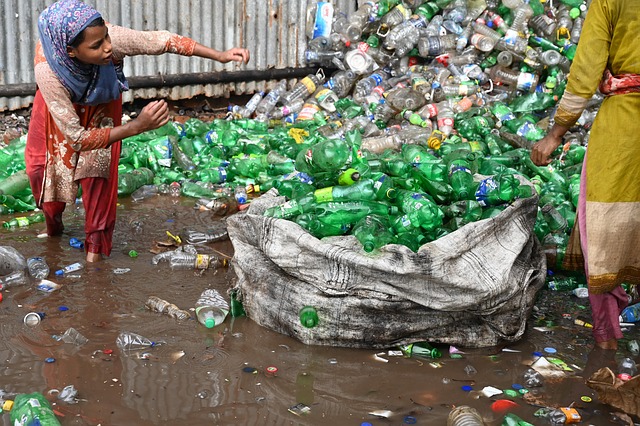
Integrating effective recycling service strategies is vital for sellers to enhance environmental impact, appeal to eco-conscious consumers, comply with stricter waste management regulations, and foster brand loyalty in a circular economy. Key actions include strategic sorting, partnerships with local centers, employee education, and adherence to regional protocols. This approach not only promotes sustainability but also aligns with market demands for recycled products, offering both ethical and profitable advantages.
In today’s world, where sustainability is at the forefront of many discussions, the role of recycling services has become increasingly vital for businesses, especially sellers in the real estate market. The challenge lies in effectively managing waste and materials left over from construction and renovation projects, often referred to as demolition debris. This article presents a strategic guide tailored for sellers, offering a comprehensive approach to utilizing recycling services to not only minimize environmental impact but also optimize costs and contribute to a more sustainable future.
Understanding the Impact of Recycling for Sellers
For sellers looking to maximize their impact and contribute to a sustainable future, understanding the significance of recycling service is paramount. Integrating responsible practices into your sales strategies not only benefits the environment but can also enhance your brand image and tap into growing consumer demand for eco-friendly products. Recycling services play a pivotal role in this transition by facilitating the proper disposal and reprocessing of materials that would otherwise end up in landfills, contributing to reduced greenhouse gas emissions and conservation of natural resources.
Considerable data supports the environmental advantages of recycling. For instance, recycling one ton of paper saves 17 trees while recycling aluminum cans can save enough energy to power an average American home for up to six months. These figures underscore the profound impact individual actions, particularly those of sellers adopting recycling services, can have on mitigating climate change and preserving ecosystems. Moreover, many countries are implementing stricter waste management regulations, demanding that businesses take greater responsibility for their environmental footprint. This shift necessitates a proactive approach from sellers, who can leverage recycling services to meet borrower requirements and stay compliant with these evolving standards.
Implementing a comprehensive recycling service doesn’t have to be complex. Sellers can begin by categorizing recyclable materials such as paper, plastic, glass, and metal, ensuring proper sorting at source. Partnering with local recycling centers or utilizing specialized waste management companies that offer tailored services for businesses streamlines the process. It’s also crucial to educate employees about the importance of recycling and provide clear guidelines on what can and cannot be recycled. This internal commitment ensures consistent participation and maximizes the environmental benefits of your recycling service efforts. For instance, a tech retailer could encourage customers to recycle old devices through incentives or a drop-off program, while an online fashion seller might partner with sustainable packaging providers to reduce non-biodegradable waste.
Ultimately, embracing recycling services is not merely a responsible choice but also a strategic one. It demonstrates to customers that your business values sustainability and contributes to a positive brand perception. As consumers become increasingly conscious of environmental issues, sellers who prioritize recycling service will be better positioned to attract eco-minded buyers and foster long-term loyalty. This approach aligns with broader industry trends towards circular economy models, ensuring that resources are preserved and reused rather than exhausted through traditional linear production and consumption patterns.
Setting Up Effective Collection and Sorting Systems

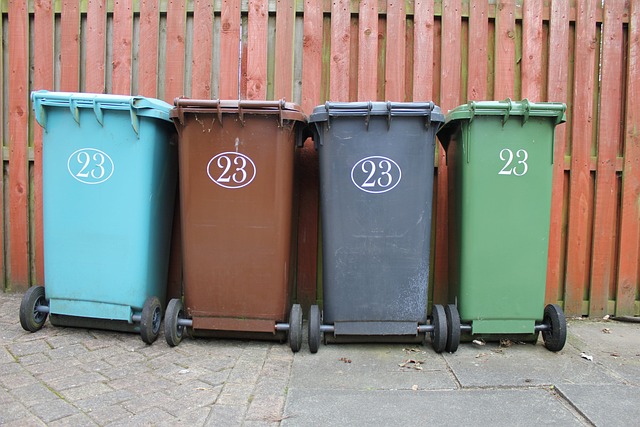
Setting up efficient collection and sorting systems is a cornerstone for any seller looking to integrate a robust recycling service into their operations. This involves a strategic approach that considers both logistical and operational aspects. For instance, designate specific collection points within your facility, clearly labeling them for various materials like paper, plastic, glass, and metal. Employing color-coded bins or containers can significantly aid in this process, making it easier for employees and visitors alike to dispose of recyclables correctly.
Data from the EPA suggests that proper sorting at the source—the point of generation—can enhance recycling rates by up to 30%. Therefore, investing in educational materials and signage is paramount. Inform your staff and customers about what can and cannot be recycled, emphasizing the importance of clean and dry materials to avoid contamination. This step is crucial as it ensures that the recycling service you engage with receives suitable materials, maximizing efficiency and reducing costs.
Beyond physical setup, establishing a streamlined sorting process is essential. Consider employing specialized sorting equipment, such as optical scanners or manual sorters, to categorize recyclables accurately. For instance, a paper recycling service may require specific types of paper, like newsprint or cardboard, to be sorted separately. This meticulous approach not only meets the borrower requirements of recycling service providers but also ensures that materials are processed and reused effectively, contributing positively to environmental sustainability.
Navigating Local Recycling Service Protocols

Navigating local recycling service protocols is a critical yet often overlooked aspect for sellers looking to optimize their operations and contribute to a sustainable future. Understanding the nuances of these protocols ensures that materials are processed effectively, reducing waste and maximizing resource recovery. Each municipality or region may have unique guidelines governing what, how, and where recyclables can be dropped off or collected, making it essential for sellers to do their due diligence. For instance, some areas require specific types of plastic, glass, or paper products to be sorted and packaged according to industry standards before acceptance by recycling services.
One key consideration is aligning your practices with the local recycling service borrower requirements. These requirements often dictate acceptable materials, contaminant limits, packaging guidelines, and collection schedules. For instance, mixing certain types of plastics can render them unrecyclable, so sellers must ensure that materials are cleaned, dried, and separated appropriately. Many recycling services also impose weight or volume limits on drop-offs to ensure efficient processing and prevent misuse of resources. By adhering to these protocols, sellers not only facilitate a smoother collection process but also improve the overall quality of recyclables, enhancing their market value.
Data suggests that proper adherence to local recycling service guidelines can significantly increase the amount and quality of materials recovered. For example, studies have shown that well-sorted and compliant recyclables fetch higher prices in the market due to lower processing costs for recycling facilities. Moreover, effective navigation of these protocols fosters a positive relationship between sellers and their local recycling services, encouraging continued support for sustainable practices. Actionable advice includes maintaining detailed records of recycling service borrower requirements, providing clear instructions to staff or volunteers involved in sorting and collecting recyclables, and regularly reviewing updates or changes to local guidelines.
Maximizing Sustainability: Selling Recycled Goods Strategically

Maximizing Sustainability: Selling Recycled Goods Strategically
In today’s eco-conscious market, integrating a recycling service into your sales strategy isn’t just an ethical choice—it’s a powerful business decision. Sellers who embrace recycled goods not only contribute to environmental stewardship but also tap into a growing consumer base that prioritizes sustainability. To ensure success in this arena, understanding the nuances of the recycling service landscape is crucial. This includes recognizing borrower requirements and leveraging strategic partnerships effectively. For instance, many recycling services require specific sorting protocols, highlighting the need for clear communication with both suppliers and customers to streamline the process.
Data shows that consumers are increasingly willing to support businesses committed to sustainability. According to a recent study, over 70% of global consumers would switch to eco-friendly alternatives if price and quality were comparable. This presents a significant opportunity for sellers to differentiate themselves by offering recycled products. However, maximizing the benefits requires strategic planning. One key aspect is aligning product offerings with current market demands. For example, while plastic recycling has traditionally been focused on bottles and containers, there’s growing interest in recycled textiles, electronics, and even food packaging, reflecting evolving consumer preferences and technological advancements.
Implementing a successful recycling service involves more than just gathering used materials; it entails creating a closed-loop system that enhances sustainability at every stage. Sellers can collaborate with local recycling facilities to ensure proper processing and repurposing of collected items. Additionally, partnering with brands known for their eco-friendly practices can bolster your reputation and attract like-minded customers. For instance, partnering with an established recycling service borrower that specializes in electronic waste could not only provide a steady stream of high-quality recycled materials but also enhance your public image as a forward-thinking, sustainable enterprise.