
Recycling services are vital for resource conservation and reducing environmental impact, offering significant investment opportunities. Key considerations include robust supply chains, quality standards, market resilience linked to commodity prices and policies, and understanding borrower needs. The global recycling sector is growing rapidly at 6% CAGR, driven by technology and government initiatives. Investors can achieve both financial returns and sustainability by backing sectors with high recycled material demand, diversifying investments, and partnering with reputable providers. Successful cases demonstrate the financial viability of recycling services while preserving the environment through strategic partnerships and flexible loan agreements.
The global investment landscape is evolving, with a growing emphasis on sustainable practices and environmental stewardship. Recycling, as a vital component of eco-conscious initiatives, presents a lucrative opportunity for investors to contribute to a greener future while achieving financial returns. However, navigating the complexities of this sector can be challenging. This article provides an in-depth exploration of recycling services, offering investors a comprehensive guide to understanding, evaluating, and participating in this dynamic market. Our expert insights will equip readers with the knowledge necessary to make informed decisions and capitalize on the significant potential within the recycling industry.
Understanding Recycling Service: An Overview for Investors
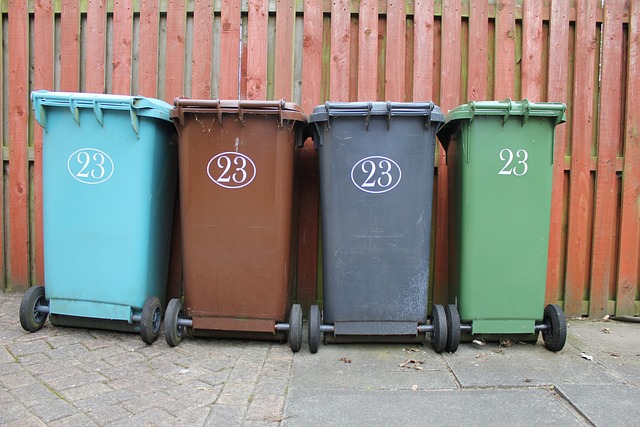
Recycling services play a pivotal role in the sustainable management of resources, and for investors, understanding this sector offers both potential and challenges. This overview aims to equip investors with the knowledge needed to navigate the recycling service landscape effectively. The primary focus is on demystifying the operations and demands of recycling service providers, especially from the perspective of borrowers and lenders alike.
At its core, a recycling service involves the collection, processing, and refurbishment of materials that would otherwise end up in landfills. These services are essential for reducing waste, conserving natural resources, and mitigating environmental impact. Investors should recognize that successful recycling ventures depend on robust supply chains, efficient logistics, and adherence to stringent quality standards. For instance, a comprehensive recycling service borrower requirement entails proper segregation of recyclables at the source, ensuring materials are clean and undamaged, and adhering to specific collection schedules.
One of the key considerations for investors is understanding the financial viability and risk profiles associated with recycling services. The sector’s performance can be influenced by fluctuating commodity prices, technological advancements, and changing consumer preferences. Data suggests that regions with strong recycling infrastructure and supportive government policies have shown more resilient recycling service industries. Investors are advised to conduct thorough due diligence, examining market trends, operational efficiency, and the ability of borrowers to meet their financial obligations, especially in meeting recycling service borrower requirements consistently.
By embracing a comprehensive understanding of recycling services, investors can contribute to fostering a circular economy while achieving sound financial returns. This involves evaluating potential partnerships with established recycling facilities, studying innovative technologies that enhance recycling processes, and keeping abreast of regulatory changes that impact the sector. Ultimately, investing in recycling services presents an opportunity to drive positive environmental change while navigating a dynamic market landscape.
The Environmental Impact: Why Recycling is Crucial

Recycling service isn’t just an environmental nicety; it’s a critical component of our global ecosystem, with profound implications for both nature and humanity. The environmental impact of recycling is significant, as it directly reduces the demand for raw materials, thereby preserving natural resources and minimizing habitat destruction. For instance, recycling aluminum saves up to 95% of the energy required to produce new aluminum from bauxite ore, which significantly cuts down greenhouse gas emissions.
Furthermore, recycling service plays a pivotal role in mitigating pollution. Landfills are notorious for releasing toxic substances into the soil and groundwater over time. By contrast, recycled materials often require less processing than their virgin counterparts, reducing the risk of such contaminations. For example, recycling one ton of paper saves 17 mature trees, 7,000 gallons of water, and 463 gallons of oil—a stark illustration of how recycling service can protect our natural heritage.
In the context of investor considerations, understanding the environmental impact of recycling service borrower requirements is crucial. Lenders who prioritize eco-friendly practices often attract investors seeking sustainable returns. This trend is evident in the growing demand for Green Bonds, which fund projects aimed at reducing carbon emissions and promoting renewable energy. By integrating recycling services into their operations, borrowers can meet these investor expectations and access capital more readily. For instance, a company that implements comprehensive recycling programs not only reduces operational costs but also enhances its public image, fostering trust among investors who value environmental stewardship.
Ultimately, the success of recycling service depends on collective action—from policymakers implementing robust waste management policies to individuals making conscious choices at the point of consumption. As global awareness and investment in sustainable practices continue to grow, recycling service borrowers who embrace these principles stand to gain significant competitive advantages in the market.
Types of Recycling Services: Diversifying Investment Opportunities
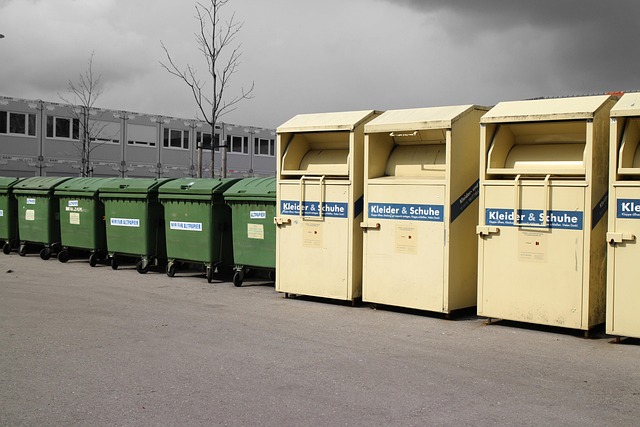
The recycling service sector offers investors a diverse range of opportunities to contribute to sustainable development while generating substantial returns. Beyond traditional materials like paper and plastic, innovative recycling services are emerging, catering to everything from electronic waste to agricultural byproducts. This diversification presents a compelling narrative for investors seeking both impact and financial growth. For instance, specialized recycling facilities that process rare earth metals or urban mine materials, such as discarded electronics, not only mitigate environmental harm but also support critical industries like renewable energy and technology.
Understanding the specific needs of recycling service borrowers is paramount for savvy investors. Successful projects often require substantial upfront capital to acquire specialized equipment and establish efficient processing infrastructure. Borrowing requirements can vary significantly depending on the type of material handled; for example, facilities focused on high-value metals may necessitate larger loans due to initial investment costs and market volatility. Investors should carefully analyze business models, projected cash flows, and risk mitigation strategies before committing funds. Engaging with industry experts and assessing track records of both the recycling operators and financial institutions providing credit can help ensure sound investment decisions.
The global push towards a circular economy further fuels the growth potential within the recycling service sector. Increasing regulatory pressures, coupled with heightened consumer awareness, are driving demand for sustainable practices across industries. This trend translates into robust market opportunities for recycling services that offer innovative solutions and efficient processes. Investors who recognize these trends and align their portfolios accordingly stand to benefit from both financial gains and the positive societal impact of promoting a more sustainable future.
Market Analysis: Trends and Growth in Recycling Sector

The recycling service sector has been experiencing significant growth over the past decade, driven by a combination of environmental awareness, government initiatives, and evolving consumer preferences. According to recent reports, the global recycling market is projected to reach USD 274 billion by 2030, growing at a CAGR of approximately 6% between 2022 and 2030. This substantial growth underscores the growing demand for efficient and sustainable recycling services worldwide.
One key trend in the recycling sector involves the increasing adoption of advanced technologies to enhance recycling processes. For instance, the integration of artificial intelligence (AI) and machine learning algorithms improves sorting efficiency by identifying materials with high accuracy. Furthermore, the utilization of Internet of Things (IoT) devices allows for real-time tracking of recycling rates and identifies areas for improvement. These technological advancements not only streamline operations but also ensure higher quality output, thereby appealing to both environmental advocates and investors seeking robust returns.
Understanding the recycling service borrower requirements is vital for investors. Effective recycling services must meet stringent criteria, including adherence to environmental regulations, efficient logistics management, and ability to handle diverse waste streams. Borrowers should demonstrate a commitment to sustainability, employ eco-friendly practices, and possess robust financial backing to ensure long-term viability. Investors can maximize their returns by evaluating these factors, as successful recycling service providers not only contribute to environmental conservation but also enjoy stable market positions and attractive profit margins.
Investor opportunities are abundant in regions with stringent environmental policies and increasing waste generation rates. For instance, Europe’s ambitious circular economy goals have spurred significant investments in recycling infrastructure. Similarly, emerging markets in Asia Pacific, driven by rapid industrialization and urbanization, offer immense potential for recycling service providers. Investors should stay abreast of government initiatives, local regulations, and market dynamics to identify profitable opportunities while mitigating risks associated with regulatory changes or fluctuating commodity prices.
Effective Recycling Strategies: Maximizing Investor Returns

Recycling services offer investors a unique opportunity to maximize returns while contributing to sustainability. An effective recycling strategy involves understanding the market dynamics and aligning investments with environmental impact. Expert insights suggest focusing on sectors with robust demand for recycled materials, such as construction and manufacturing. For instance, the global steel industry, which accounts for over 60% of world iron ore production, presents a significant opportunity for investors in recycling services. As the demand for sustainable building practices grows, so does the need for recycled steel, ensuring a steady market for investors.
Maximizing returns necessitates a deep dive into the recycling service borrower requirements. These requirements vary based on material type and market conditions but generally include stringent quality standards and compliance with environmental regulations. Investors should assess the operational efficiency of recycling facilities, considering factors like sorting technologies, material recovery rates, and energy consumption. For example, advanced sorting systems can increase the accuracy of material separation, leading to higher-quality recycled products and improved investor returns.
Moreover, diversifying investments across various recycling sectors is crucial. This approach not only mitigates risks but also leverages emerging trends in waste management. Organic recycling, for instance, has seen substantial growth due to increasing consumer demand for plant-based alternatives to conventional plastics. Investors can capitalize on this trend by backing companies specializing in composting and bioplastic production. Data from industry reports indicate that the global organic waste management market is projected to grow at a CAGR of 12% between 2021 and 2028, underscoring its potential for significant returns while promoting sustainable practices.
In terms of actionable advice, investors should prioritize partnerships with reputable recycling service providers who demonstrate transparency in their operations and supply chains. Regularly reviewing market trends and adapting strategies accordingly is essential. Additionally, staying informed about policy changes related to waste management and recycling can provide valuable insights into emerging opportunities. By combining a deep understanding of the recycling service borrower requirements with a strategic approach, investors can play a pivotal role in shaping a sustainable future while achieving robust financial returns.
Case Studies: Successful Recycling Service Investments

Investing in recycling services offers a compelling opportunity within the sustainable sector. Successful cases highlight the viability of these ventures, demonstrating their potential to generate substantial returns while contributing to environmental preservation. A key factor for investors is understanding the unique borrower requirements inherent in the recycling service model. These requirements often extend beyond traditional business loans, encompassing specific needs related to waste collection infrastructure, equipment acquisition, and specialized personnel training.
For instance, consider a case study of a startup focused on urban waste reduction through comprehensive recycling programs. This enterprise required substantial upfront investment for roll-out bins, sorting facilities, and educational campaigns to engage residents. The borrower, in this case, needed a financing structure adaptable to variable cash flows generated by the evolving program. Lenders should assess the stability of these cash flows, factoring in potential fluctuations due to seasonal changes or community engagement levels. A flexible loan agreement, coupled with performance metrics tracking recycling rates and community participation, can ensure both investor returns and environmental impact.
Another successful example involves a regional partnership between recycling service providers and local governments. This collaborative model attracted investors by leveraging public sector support and securing long-term contracts for waste management. The partnership facilitated access to capital through government grants and public-private partnerships (PPPs), enabling substantial infrastructure upgrades. Such initiatives not only enhance the efficiency of recycling services but also attract investor interest by demonstrating a clear pathway to profitability and positive environmental impact, fulfilling borrower requirements crucial for successful recycling service investments.