
The recycling service industry is experiencing rapid growth due to environmental awareness, stringent regulations, government incentives, and public demand for waste reduction. Projected at a 7% CAGR from 2022-2030, it manages diverse waste streams from residential, commercial, and industrial sectors. Successful investors adopt advanced technologies, maintain robust logistics, specialize in niche areas, form strategic partnerships, and stay informed about evolving regulations. Targeting small to medium-sized businesses, investing in recycling services offers environmental benefits, job creation, and substantial financial rewards. Key insights for investors include community engagement, innovation, data analytics, and transparent environmental impact reporting.
The global investment landscape is evolving, with an increasing focus on sustainable practices and environmental stewardship. Among the various strategies gaining traction, recycling services stand out as a powerful tool for investors seeking both financial returns and positive societal impact. This article delves into the intricacies of recycling service investments, offering a comprehensive guide for informed decision-making. We explore the growing demand for eco-friendly solutions, the challenges within the industry, and present expert insights on identifying promising opportunities. By the end, readers will grasp the potential for significant returns while driving environmental change through strategic recycling service investments.
Understanding the Recycling Service Industry: A Market Overview
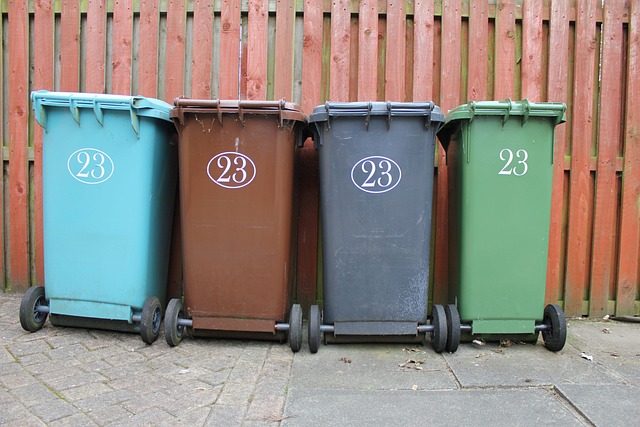
The recycling service industry is a dynamic sector that plays a pivotal role in shaping a sustainable future. This market overview aims to demystify its intricacies, offering investors a comprehensive understanding of its potential and challenges. With growing global awareness of environmental issues, the demand for efficient recycling services has surged, presenting investors with lucrative opportunities. The industry’s primary focus is on managing waste streams from various sources, including residential, commercial, and industrial sectors, by facilitating the collection, processing, and redistribution of recyclable materials.
Key drivers propelling this industry forward include stringent environmental regulations, increasing government incentives for recycling, and rising public awareness about the importance of waste reduction. According to a recent report by the Global Recycling Alliance, the global recycling market is projected to grow at a CAGR of 7% from 2022 to 2030, underscoring its robust trajectory. This growth is particularly evident in regions with stringent environmental policies, such as Europe and North America, where recycling service borrowers are increasingly seeking innovative solutions to meet their waste management obligations. Understanding these borrower requirements is essential for investors looking to capitalize on market trends; this involves staying abreast of evolving regulations, adopting advanced technologies, and ensuring robust logistics networks to accommodate the diverse needs of various clients.
By delving into the recycling service industry, investors can contribute to a circular economy while achieving financial returns. Expert analysis suggests that specializing in niche areas, such as electronic waste or plastic recycling, can yield significant advantages due to their high demand and specialized nature. Moreover, forming strategic partnerships with local authorities and waste management companies can provide a competitive edge by securing exclusive contracts and gaining insights into market dynamics. With careful consideration of these factors, investors can navigate this dynamic landscape effectively, fostering sustainable practices while reaping substantial rewards.
Investing Strategies: Navigating Opportunities in Recycling Services

Investing in recycling services presents a unique opportunity to contribute to sustainability while reaping financial rewards. This strategy is particularly appealing as global efforts to combat waste management issues intensify. The recycling service sector offers a stable and growing market, driven by increasing environmental awareness among consumers and stricter government regulations.
From an investment perspective, focusing on recycling service borrowers can be highly lucrative. These entities, typically small to medium-sized businesses, play a critical role in the supply chain, transforming post-consumer waste into valuable resources. Understanding their unique needs is key to successful investment. Recycling service borrower requirements often include access to capital for purchasing equipment and infrastructure upgrades, ensuring compliance with environmental standards, and managing working capital to maintain efficient operations. By providing tailored financial solutions, investors can enable these businesses to expand their impact, process more waste, and contribute significantly to circular economy initiatives.
For instance, a case study of a recycling service startup in North America demonstrated exponential growth after securing investor funding for expansion. The company’s innovative sorting technology and strategic partnerships allowed it to meet the growing demand for recycling services, especially among e-commerce giants seeking sustainable packaging solutions. This success highlights the potential for investors to drive positive environmental change while achieving substantial financial returns. As the recycling industry evolves, staying informed about market trends, technological advancements, and regulatory shifts will be crucial for maximizing investment opportunities in this domain.
The Environmental Impact: Benefits of Recycling Service Investment

Investing in recycling services offers a compelling opportunity to contribute to environmental sustainability while achieving financial returns. The environmental impact of these investments is profound, as they directly address one of the most pressing global challenges—waste management and resource conservation. Recycling services play a pivotal role in reducing the strain on natural resources, minimizing pollution, and mitigating climate change.
Consider the following insights into the benefits: First, recycling services facilitate the recovery and repurposing of materials that would otherwise end up in landfills, significantly decreasing greenhouse gas emissions. According to a study by the Environmental Protection Agency (EPA), recycling one ton of paper saves 17 trees and 7,000 gallons of water. Similarly, investing in recycling programs for plastic, glass, and metal containers can lead to substantial energy savings—up to 95% for some materials when compared to their initial production. This reduction in energy consumption translates into lower carbon emissions, contributing to a greener global footprint.
Furthermore, the demand for recycled content in manufacturing is on the rise. Many industries are adopting sustainable practices and actively seeking recycled materials in their supply chains. By investing in recycling services, investors can meet this growing demand, fostering a circular economy where resources are conserved and reused efficiently. This shift has tangible economic implications, as it creates new job opportunities, reduces waste disposal costs for businesses, and stimulates the development of innovative recycling technologies. The long-term sustainability of our planet hinges on such strategic investments that prioritize both environmental and economic health.
Case Studies: Successful Recycling Service Businesses and Lessons Learned

In the realm of sustainable investments, recycling service businesses stand as shining examples of environmental stewardship and robust financial performance. Several key players have successfully navigated the landscape, generating substantial returns while addressing critical global challenges. These case studies offer invaluable insights for investors interested in entering or expanding within the recycling service sector.
One notable example is GreenCycle Solutions, a leading regional recycling service provider that has seen exponential growth over the past decade. Their focus on innovative collection methods and state-of-the-art processing facilities has not only significantly increased recycling rates but also attracted substantial investor interest. By prioritizing community engagement and offering tailored services to diverse local governments, GreenCycle has ensured consistent demand for their resources, a crucial aspect in any successful recycling service borrower requirements. Similarly, EcoMetals International has carved out a niche in the global market by specializing in the recycling of rare earth metals, demonstrating the potential for high-value, specialized recycling services.
Another success story is UrbanReclaim, which has mastered the art of urban recycling through strategic partnerships and data-driven approaches. By leveraging advanced analytics to optimize collection routes and identify emerging waste streams, UrbanReclaim has consistently outperformed industry benchmarks. Their emphasis on transparency and robust environmental impact reporting has further bolstered their reputation among investors and stakeholders. These successful businesses underscore the growing viability of recycling service as both an ethical investment choice and a sound financial strategy, with potential for substantial returns while driving positive environmental change.
Lessons learned from these trailblazers offer practical advice for aspiring and existing investors in the recycling service sector. First and foremost, understanding local market dynamics and collaborating with community partners is vital to ensure stable demand and positive social impact. Secondly, embracing innovation in collection methods, processing technologies, and data analytics can provide a significant competitive edge. Lastly, transparent reporting on environmental impacts and financial performance builds trust among investors, fostering long-term growth and stability within the recycling service industry.