
Integrating a recycling service offers sellers strategic advantages: cost reduction through cheap recycled materials, alignment with consumer demand for eco-friendly products, and compliance with environmental regulations. Effective recycling practices enhance operational efficiency, reduce costs, and foster positive brand images. Businesses should assess waste streams and engage reliable recycling service providers tailored to their needs, leveraging significant environmental benefits like conserving resources and reducing energy consumption.
In today’s world, where sustainability is at the forefront of many businesses’ minds, understanding and implementing effective recycling practices has become not just an ethical choice but a strategic imperative for sellers. With increasing consumer awareness and regulatory pressures, proper waste management can set your business apart as environmentally responsible. This guide aims to provide a comprehensive strategy for sellers to optimize their recycling efforts, ensuring compliance, cost efficiency, and a positive environmental impact. We’ll delve into the intricacies of setting up and managing a successful recycling service tailored to your sales operations.
Understanding Recycling Service Benefits for Sellers
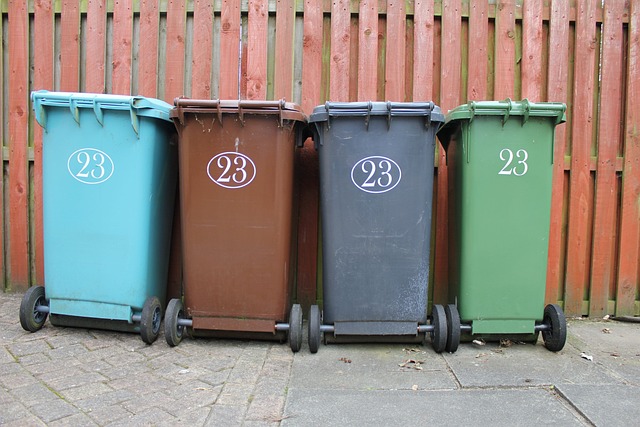
For sellers looking to maximize their profits and minimize environmental impact, understanding the benefits of a recycling service is paramount. Integrating a recycling service into your sales strategy can significantly enhance your bottom line while contributing to a sustainable future. One of the most direct advantages is cost reduction. Many materials that are sold in new condition have recycled alternatives that are often cheaper, thanks to reduced manufacturing costs and resource recovery efforts. For instance, incorporating recycled plastic into product packaging can cut down on material expenses considerably.
Moreover, a recycling service aligns with evolving consumer preferences for eco-friendly products and practices. Today’s buyers, particularly the millennial and Gen Z demographics, actively seek out sustainable options when making purchases. By offering products that incorporate recycled materials or are themselves recycled, sellers can tap into this growing market demand. A study by the National Recycling Foundation found that 73% of consumers are willing to pay more for products made from recycled materials. This presents a significant opportunity for sellers to differentiate their offerings and command premium prices.
Additionally, recycling services facilitate compliance with environmental regulations, which is crucial for seller operations. Many regions have stringent waste management laws, and integrating a recycling program can help businesses meet these requirements. For example, proper e-waste disposal, facilitated by a recycling service, is not only beneficial for the environment but also ensures that sellers avoid potential fines or legal repercussions. By adopting a proactive approach to recycling, sellers demonstrate their commitment to environmental stewardship, further enhancing their reputation among both customers and industry peers.
Implementing Effective Recycling Practices in Your Business
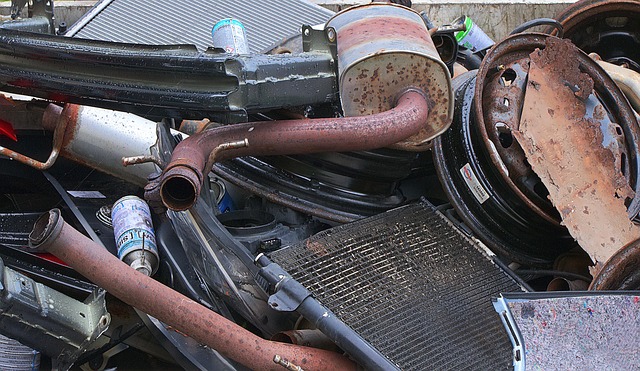
Implementing effective recycling practices within your business is a strategic move that goes beyond environmental responsibility; it’s an opportunity to enhance operational efficiency, reduce costs, and foster a positive brand image. A robust recycling service isn’t merely about separating paper and plastic—it involves understanding the unique needs of your business and the potential impact on your bottom line. As sellers, integrating these practices can streamline operations, ensuring compliance with environmental regulations while potentially lowering borrower requirements for future financing.
For instance, consider a retail store that implements a comprehensive in-store recycling program. By providing clearly labeled bins for various materials and training staff to manage them, the store reduces waste sent to landfills and cuts down on bagging costs. This not only minimizes environmental impact but also demonstrates a commitment to sustainability—a factor increasingly valued by consumers and investors alike. Moreover, such initiatives can attract eco-conscious customers, boosting sales and loyalty.
Data supports these benefits: A study by the EPA revealed that recycling one ton of paper saves 17 trees and 7,000 gallons of water. Similarly, metal recycling reduces energy consumption by 95% compared to manufacturing from raw ore. These figures underscore the significant role recycling services play in sustainable business practices. To maximize these advantages, sellers should assess their waste streams and identify materials suitable for recycling. Engaging with reliable recycling service providers who understand your industry’s specific borrower requirements ensures a seamless transition and maximizes environmental gains.
Maximizing Sustainability: A Guide for Seller Success
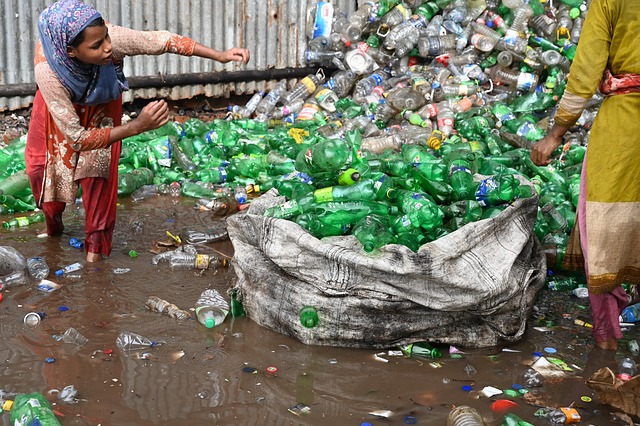
Maximizing sustainability is not just an environmental goal; it’s a strategic imperative for sellers navigating today’s market. Integrating recycling services into your operations can significantly reduce waste, cut costs, and enhance brand reputation. However, success requires a deep understanding of both the process and its benefits. This guide offers expert insights tailored for sellers, focusing on how to leverage recycling services effectively, with a particular emphasis on maximizing sustainability.
A key aspect to consider is aligning your recycling practices with borrower requirements. These standards vary across industries, but they generally focus on minimizing contamination and ensuring materials are properly categorized. For instance, in the e-commerce sector, many borrowers mandate specific recycling rates for cardboard boxes and plastic packaging. By adhering to these requirements, you not only comply with industry norms but also demonstrate a commitment to sustainability, fostering trust among customers and partners.
Practical steps towards maximized sustainability involve integrating recycling service providers who offer comprehensive solutions tailored to your business needs. This includes on-site recycling programs for office spaces and warehouses, as well as collection services for mixed materials like paper, plastic, glass, and metal. For example, data from the EPA shows that businesses that implement comprehensive recycling programs can reduce their waste stream by up to 50%. Furthermore, leveraging technology in recycling management—such as apps that track material collection or automated sorting systems—can significantly enhance efficiency and accuracy.
Ultimately, success lies in viewing recycling service not just as a cost center but as a strategic asset. By embracing sustainable practices, sellers can mitigate environmental impact, drive operational efficiencies, and capitalize on growing consumer demand for eco-conscious products and services. Embracing these principles ensures that your business remains competitive while contributing to a greener future.